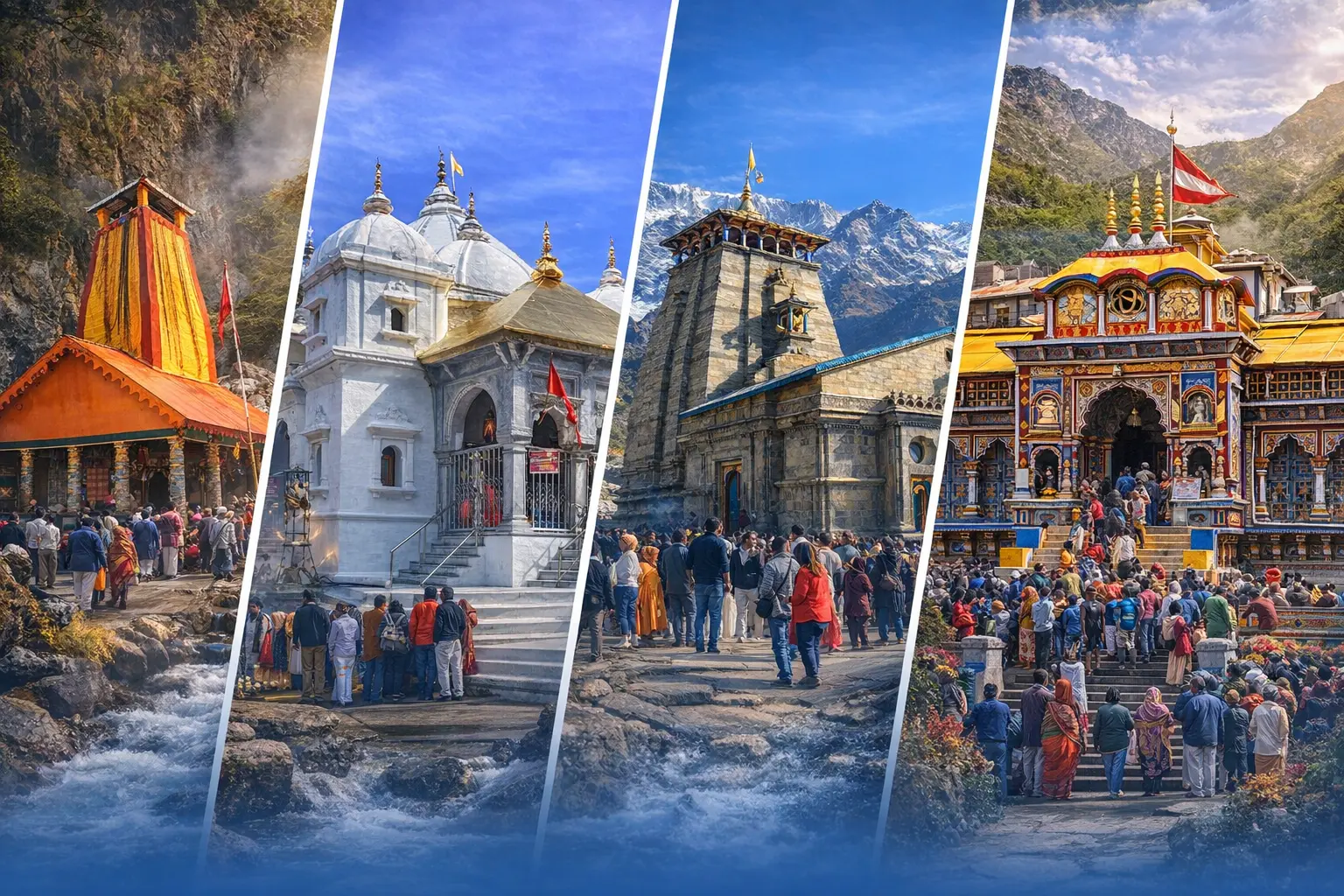
Top 15 Ancient Temples in Uttarakhand – History & Guide

Top 15 Ancient Temples in Uttarakhand

Uttarakhand earns its special nickname “Devbhoomi,” which means “Land of the Gods” in the local language. People call it this name because this beautiful mountain state holds some of the most sacred and oldest temples in all of India. These temples sit high in the Himalayan mountains, surrounded by forests, rivers, and breathtaking views. When you visit these holy places, you discover not only beautiful buildings made from stone but also fascinating stories that people have shared for thousands of years. Both pilgrims who come to pray and travelers who want to learn about history find these temples truly special. They show us how people built amazing structures long ago without modern tools and machines.

1. Kedarnath Temple
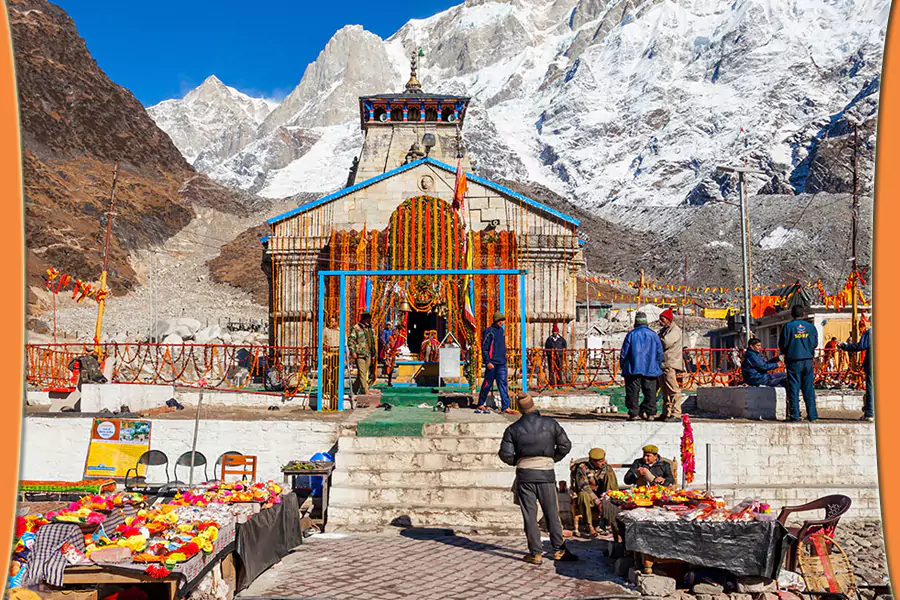
Kedarnath Temple

Location: Kedarnath

Why It Matters: This temple honors Lord Shiva and sits as one of the twelve most important Shiva temples in India. Pilgrims travel here as part of a sacred journey called the Char Dham Yatra. The temple stands at a height of 3,583 meters above sea level, which makes it higher than many mountains people see from airplanes. Snowy peaks surround the temple, and the cold waters of the Mandakini River flow nearby. Standing there makes people feel they are touching the sky and the heavens above.

Historical Background: Ancient stories tell us that the Pandavas, five heroic brothers from a famous Indian story called the Mahabharata, originally built this temple. Later, in the 8th century, a great teacher and thinker called Adi Shankaracharya brought new life to this temple and made it even more important. He taught spiritual lessons that millions of people still follow today.

2. Badrinath Temple
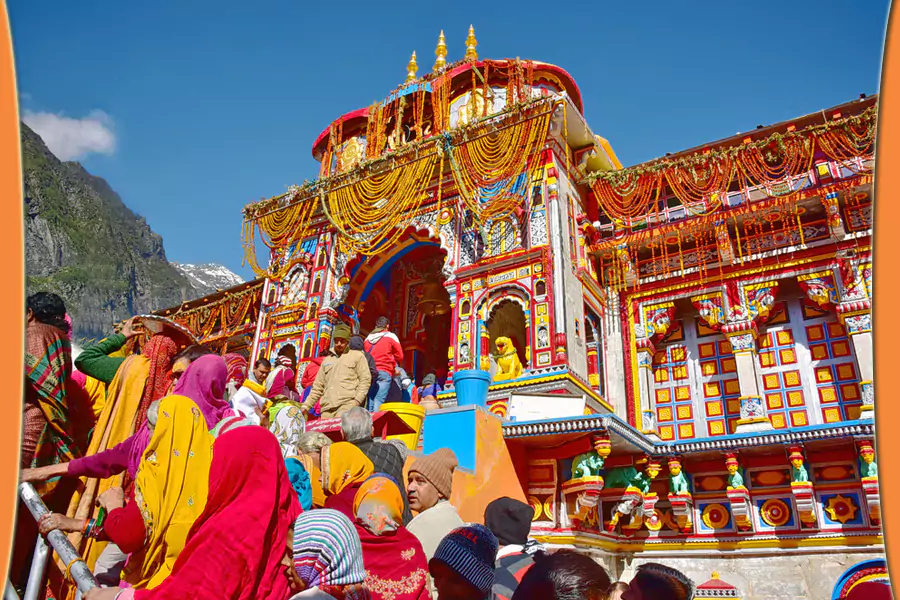
Badrinath Temple

Location: Badrinath

Why It Matters: This sacred temple dedicates itself to Lord Vishnu, one of the most important gods in Hindu beliefs. Like Kedarnath, this temple forms another essential stop on the Char Dham Yatra journey. The temple sits at 3,133 meters high, where the fresh waters of the Alaknanda River rush past. Every year, hundreds of thousands of visitors come here to seek blessings and feel connected to something greater than themselves.

Historical Background: In the 9th century, Adi Shankaracharya established this temple to strengthen people’s faith and bring communities together. The location next to the river created a perfect spot for people to perform their religious rituals and prayers. The temple has remained in the same place for over a thousand years, watching over the valleys below.

3. Tungnath Temple

Tungnath Temple
pic credit: Wikipedia

Location: Tungnath

Why It Matters: Here stands the highest temple dedicated to Lord Shiva anywhere in the world. This remarkable temple climbs to an altitude of 3,680 meters, so high that climbers often struggle to catch their breath. The temple belongs to a group of five temples called the Panch Kedar circuit, which all honor Lord Shiva in different ways. People trek through mountain paths and forests to reach this place, and the journey itself feels as sacred as the temple.

Historical Background: Historians believe this temple is over a thousand years old, making it incredibly ancient. Stories from the Mahabharata connect this temple to the Pandava brothers, the same heroes from the story of Kedarnath. The temple’s old stone walls tell stories of centuries of pilgrims who walked the same paths we walk today.

4. Jageshwar Temples
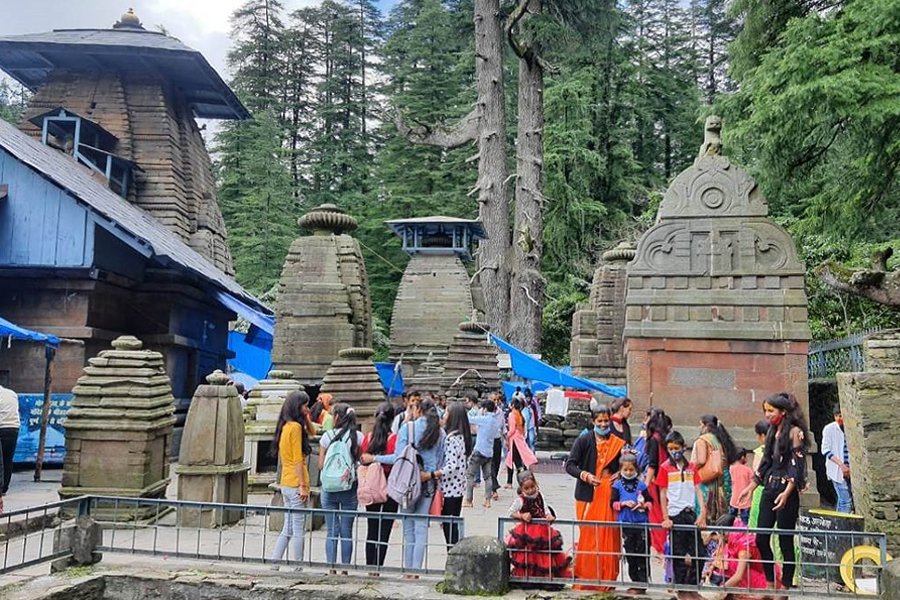
Jageshwar Dham Temple
pic credit: jagran

Location: Almora

Why It Matters: Instead of just one temple, Jageshwar features an amazing collection of approximately 124 temples, all carved from beautiful stone and dedicated to Lord Shiva. Imagine walking through more than one hundred temples in one place! These temples stand together in an ancient forest filled with towering deodar trees. The air smells fresh with pine, and the trees block out the hot sun, creating cool walking paths between the temples. It feels like stepping into a magical village frozen in time.

Historical Background: These temples were built between the 9th and 13th centuries, during the reigns of the Katyuri and Chand dynasties. These ancient rulers built temples to show their love for Lord Shiva and to bring people together for worship. The stone carvings on these temples display wonderful designs and patterns that workers created entirely by hand.

5. Yamunotri Temple

Yamunotri Temple

Location: Yamunotri

Why It Matters: This ancient temple honors Goddess Yamuna, and many people consider it the true beginning of the Char Dham Yatra pilgrimage. The temple sits at a height of 3,293 meters, perched in a dramatic valley. Goddess Yamuna appears in many Hindu stories as a river goddess who brings blessings and purification. The temple marks where the Yamuna River starts its long journey down the mountains toward the plains below.

Historical Background: While this site holds ancient spiritual importance, the actual temple building was constructed in the 19th century by Maharani Guleria, a queen from the city of Jaipur. She built it to make the pilgrimage easier and more comfortable for people traveling to this remote place. Even though the building itself is newer than some temples, the holiness of the location goes back thousands of years.

6. Gangotri Temple
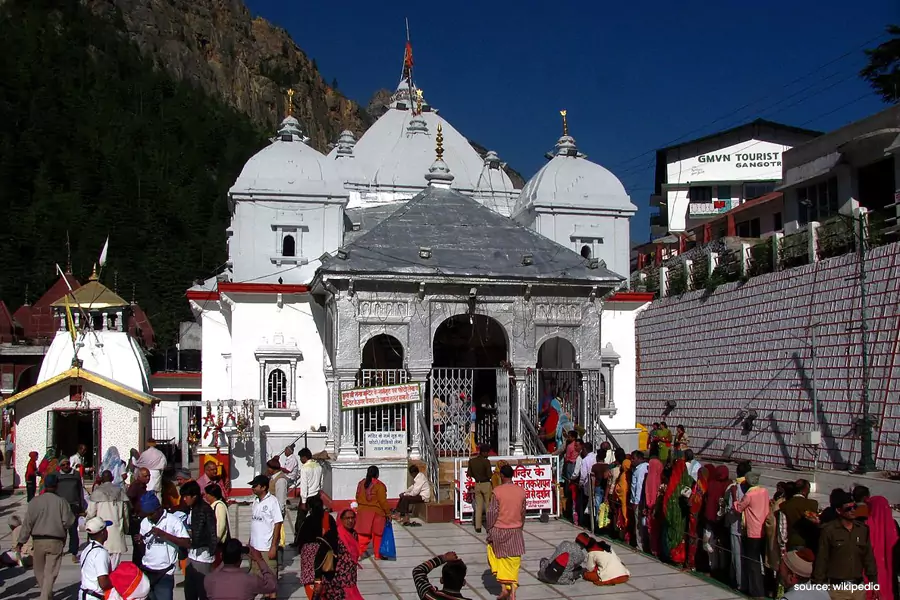
Gangotri Temple

Location: Gangotri

Why It Matters: This temple celebrates Goddess Ganga and marks a crucial spot in the Char Dham Yatra. The temple stands at 3,100 meters high, positioned at the location where the holy Ganges River appears from the mountains for the first time. In Hindu beliefs, the Ganges River is more than just water—it represents life, purity, and the blessings of the gods. Millions of Hindus consider this water sacred and use it in their prayers and rituals.

Historical Background: A military commander named Amar Singh Thapa, who served in the Gorkha army, built this temple in the early 18th century. Though he was primarily a soldier, he understood the spiritual importance of this place and created a beautiful temple where people could pray and worship. The temple has welcomed pilgrims for nearly three hundred years.

7. Baijnath Temple
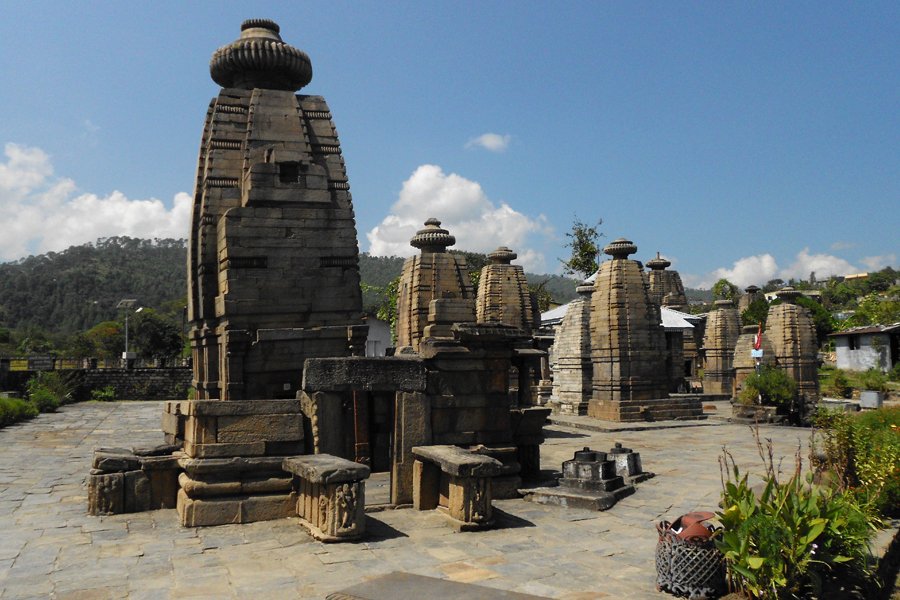
Baijnath Temple
pic credit: Wikipedia

Location: Baijnath

Why It Matters: This ancient temple honors Lord Shiva and stands out for its stunning stone carvings and incredible historical importance. Workers carved designs and patterns into the stone so skillfully that each detail seems alive. The temple sits right next to the Gomati River, with water sounds providing a peaceful background for prayer and meditation. Every corner of this temple tells a story through its artistic decorations.

Historical Background: The Katyuri kings, powerful rulers of the mountains, built this temple in the 12th century. These rulers saw themselves as protectors of Lord Shiva’s worship and spent enormous resources creating this masterpiece. The fine stonework shows how talented the workers were and how much the kings cared about creating something beautiful and permanent.

8. Dhari Devi Temple

Dhari Devi Temple

Location: Srinagar

Why It Matters: This special temple dedicates itself to Goddess Dhari, who people believe watches over and protects the entire region. The temple sits on the banks of the Alaknanda River, making it a peaceful place to visit. Local people have strong faith in Goddess Dhari and believe she guards their families and homes from danger and harm.

Historical Background: This temple carries ancient roots that go back many hundreds of years. A remarkable legend surrounds the temple’s idol: believers say that as the sun moves across the sky during the day, the goddess’s appearance changes. In the morning, she looks like a young girl, by afternoon she appears as a beautiful woman, and by evening she seems like an old lady. While scientists explain this might be tricks of light and shadows, pilgrims view it as a miraculous sign of the goddess’s power.

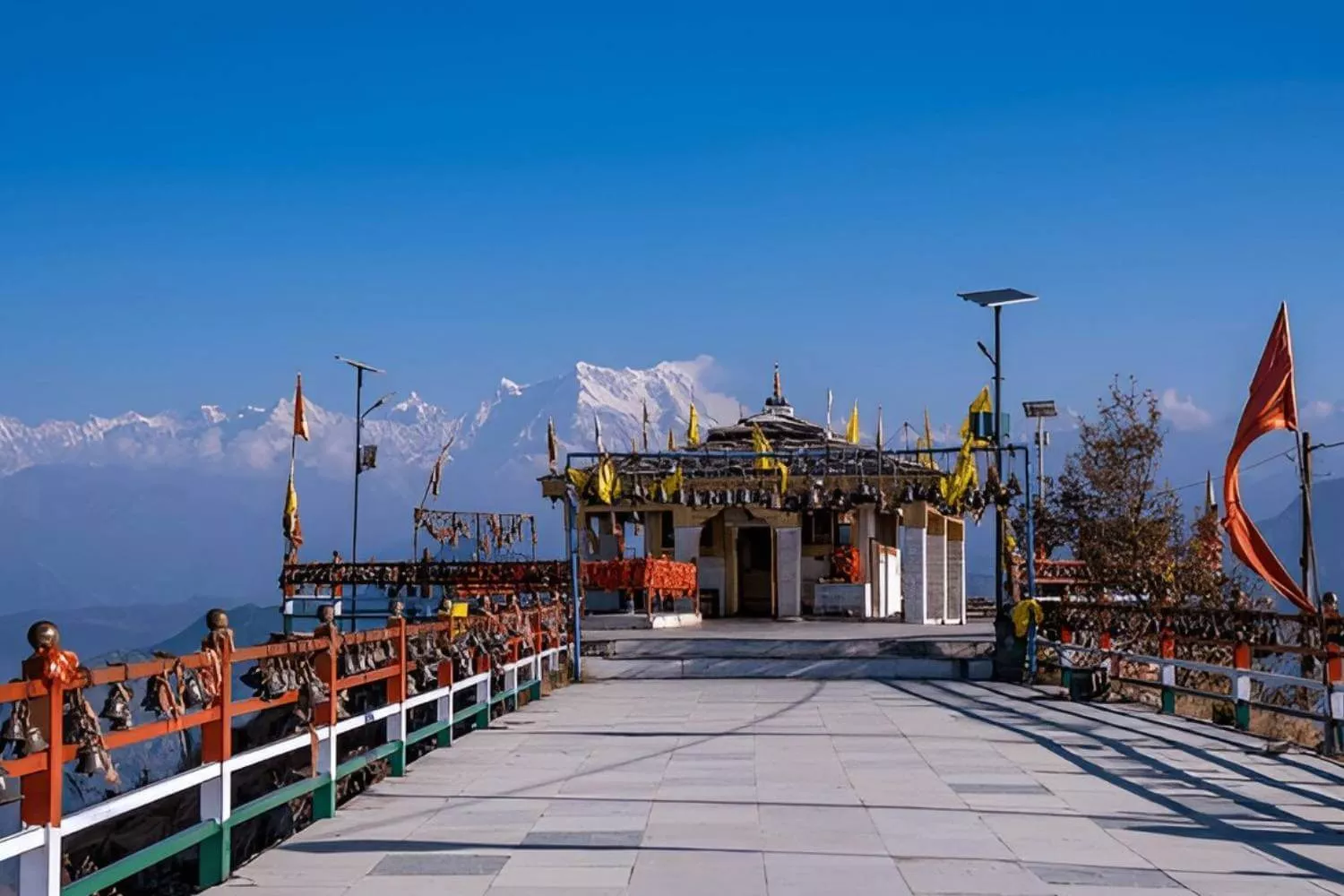
9. Surkanda Devi Temple
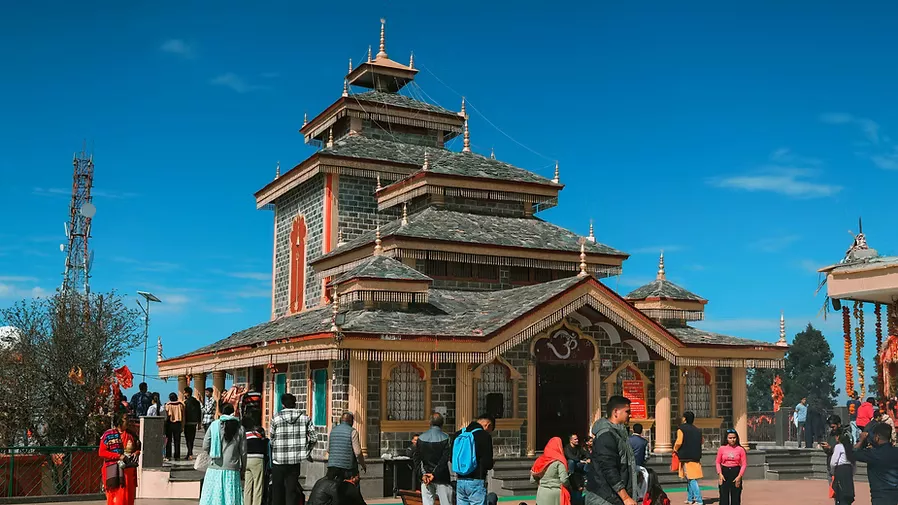
Surkanda Devi Temple

Location: Dhanaulti

Why It Matters: This temple honors Goddess Parvati and belongs to a special group called the 51 Shakti Peethas, which are the most important goddess temples across India. The temple reaches an altitude of 2,757 meters and offers visitors amazing panoramic views of the entire Himalayan mountain range. On clear days, people can see snow-capped peaks stretching to the horizon, making it one of the most scenic temple locations in the mountains.

Historical Background: A famous legend connects this temple to an ancient story about Goddess Sati, who was Goddess Parvati’s earlier form. According to the story, Sati performed a ritual fire ceremony that harmed herself, and Lord Shiva performed a sacred dance of grief called the Tandava. This legend teaches about the deep connection between gods and the power of devotion and love.

10. Kainchi Dham
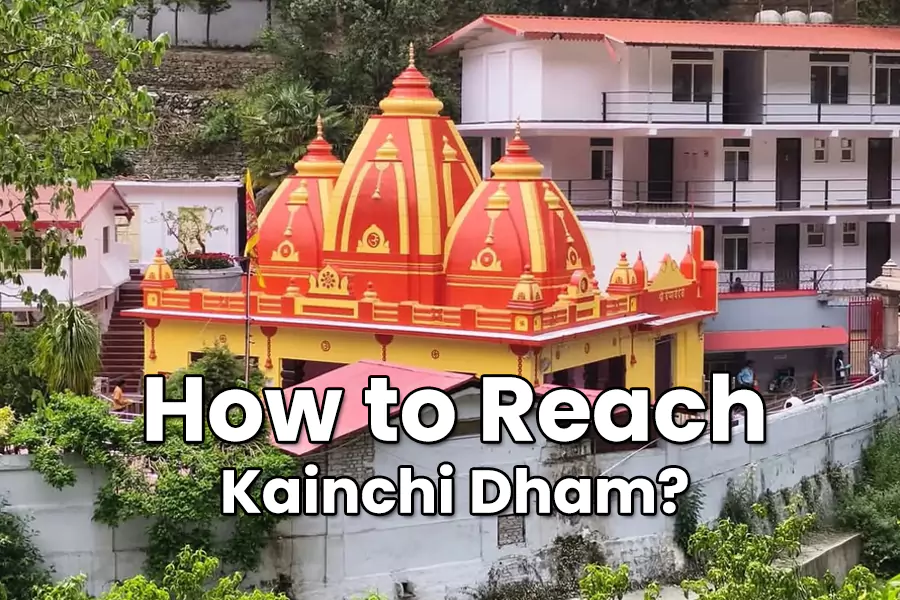
How to Reach Kainchi Dham?

Location: Nainital

Why It Matters: This temple represents a modern pilgrimage site that continues to grow and attract visitors from all corners of the world. The ashram here is connected to a spiritual leader named Neem Karoli Baba, who taught thousands of people about meditation and inner peace. While this temple is newer than most others on our list, it holds deep spiritual significance for modern seekers.

Historical Background: The ashram was founded in 1964, making it only about sixty years old—quite young compared to the thousand-year-old temples in Uttarakhand. Surprisingly, this place attracted famous people from America and around the world, including technology leaders and businesspeople who came seeking spiritual guidance. These visitors found peace and wisdom at this mountain retreat and carried those teachings back to their homes.

11. Chandi Devi Temple
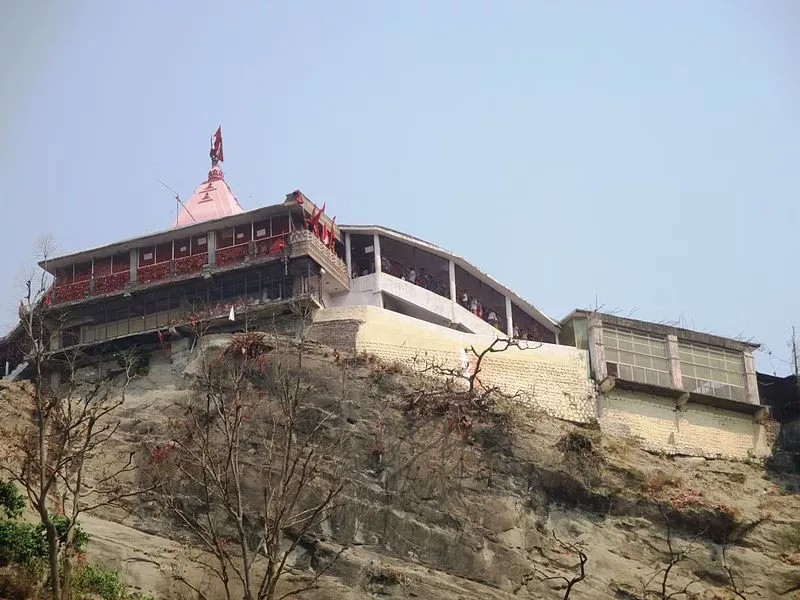
Chandi Devi Temple

Location: Haridwar

Why It Matters: This temple celebrates Goddess Chandi and sits high on a mountain called Neel Parvat. From the temple, visitors can see beautiful views of the Ganges River flowing through the city of Haridwar below. Many people come here for both spiritual reasons and to enjoy the spectacular views of the river and city streets spreading out beneath them.

Historical Background: While legends say Adi Shankaracharya established the temple in the 8th century, the building people visit today was constructed by King Suchat Singh in 1929. This king understood the importance of making this sacred place more accessible and beautiful for pilgrims. The modern structure still honors the ancient spiritual traditions connected to this holy location.

12. Mansa Devi Temple
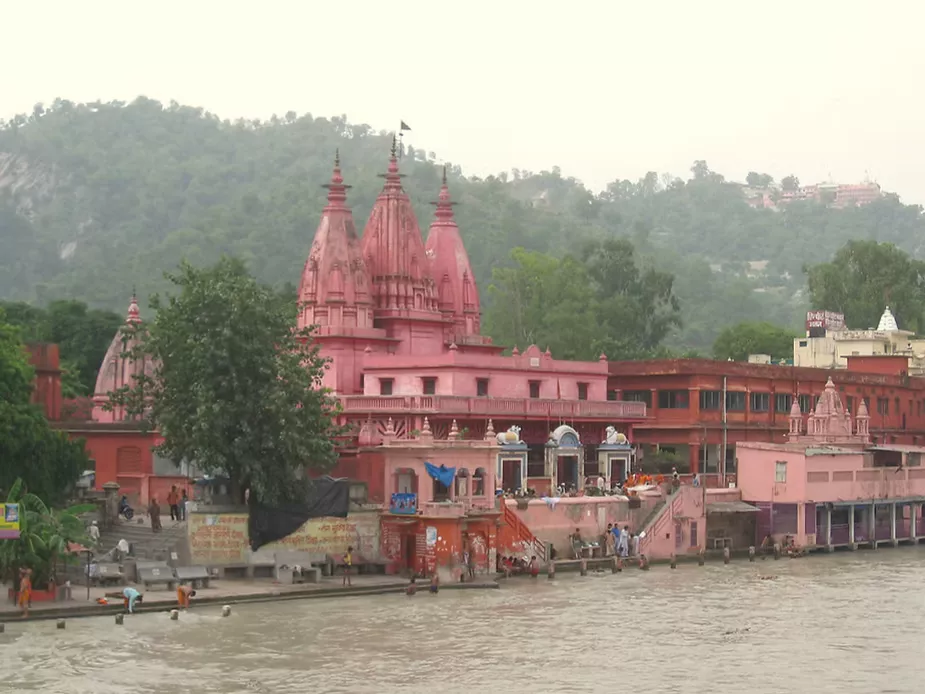
Mansa Devi Temple

Location: Haridwar

Why It Matters: This temple worships Goddess Mansa Devi and sits perched on a mountain called Bilwa Parvat. The temple forms one of the five most important sacred spots in the city of Haridwar. During special festival times, hundreds of thousands of people visit this temple to pray and celebrate their faith together.

Historical Background: This temple has been an important pilgrimage destination for many centuries. During major Hindu festivals like Navratri and the Kumbh Mela, the temple becomes extremely crowded with devoted pilgrims. The Kumbh Mela happens only every few years and brings millions of people from around the world to participate in sacred rituals together.

13. Rudranath Temple
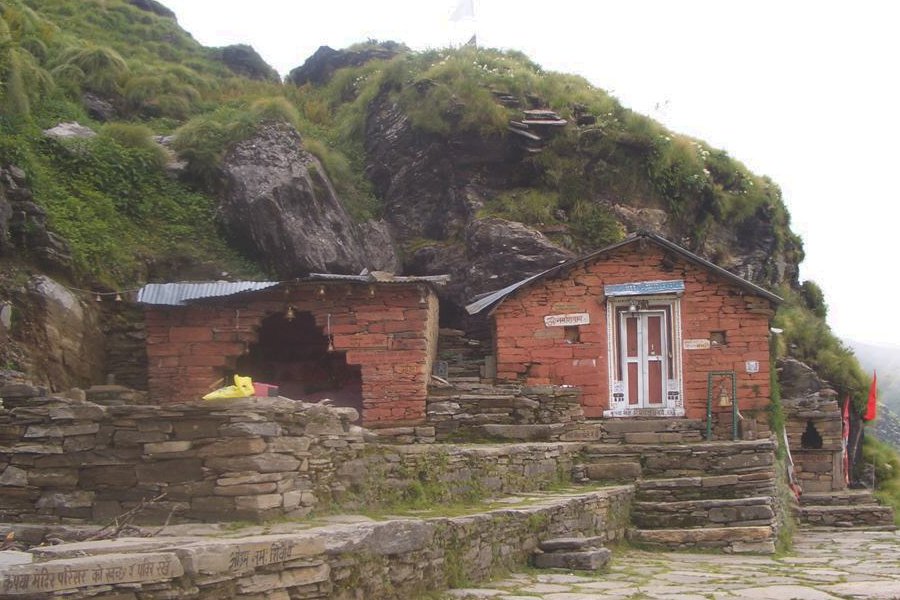
Rudranath Temple
pic credit: Wikipedia

Location: Chamoli

Why It Matters: This temple belongs to the Panch Kedar group and honors Lord Shiva in a unique way. The temple sits at an altitude of 3,600 meters and features extraordinary natural rock formations that seem to have been shaped by nature itself. Rocks tower around the temple in strange and beautiful shapes, making the whole landscape feel mystical.

Historical Background: People believe the Pandava brothers from the Mahabharata established this temple during their travels through the mountains. The location and natural features of the area made it a perfect spot for the Pandavas to build a temple honoring Lord Shiva. For many centuries, pilgrims have journeyed here seeking blessings and experiencing the natural beauty surrounding the sacred temple.

14. Madmaheshwar Temple
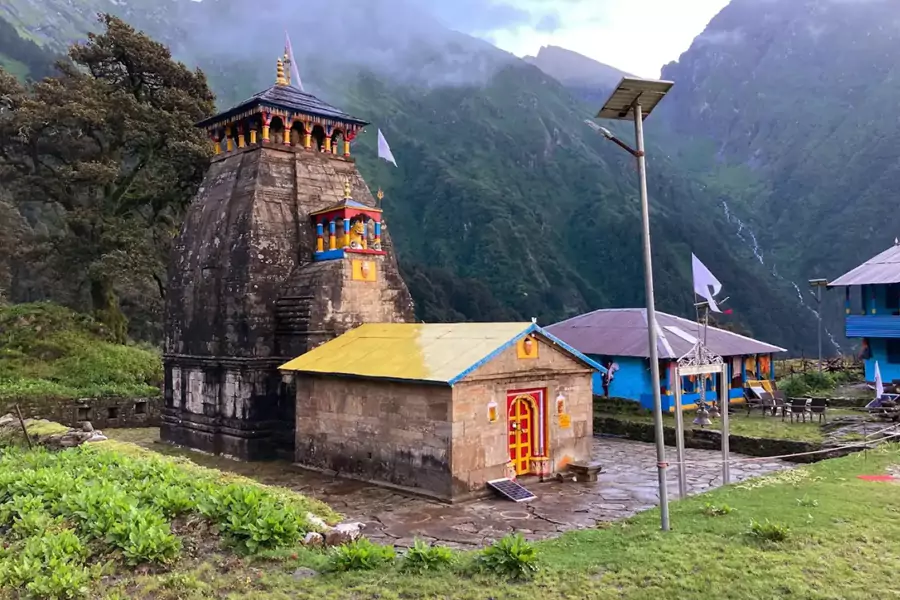
Madhyamaheshwar Temple

Location: Ukhimath

Why It Matters: This another member of the Panch Kedar temple family, and it also dedicates itself to Lord Shiva. The temple stands at 3,497 meters high, positioned in an area of remarkable natural beauty. The surrounding landscape features green forests, flowing streams, and mountain peaks that create a feeling of peaceful seclusion from the busy world below.

Historical Background: Like the other Panch Kedar temples, believers say the Pandavas established this temple during their spiritual journey through the mountains. The temple has served pilgrims for centuries and remains a significant place for people seeking a spiritual connection with Lord Shiva. The combination of religious importance and natural beauty makes this temple especially meaningful to visitors.

15. Adi Badri Temple
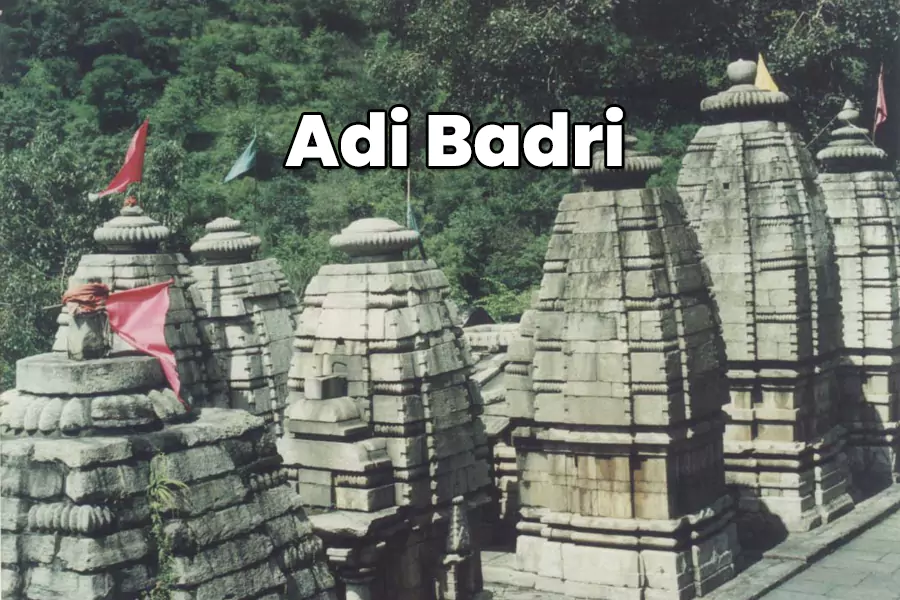
Adi Badri Temple

Location: Chamoli

Why It Matters: Instead of a single temple, Adi Badri consists of a group of 16 temples all dedicated to Lord Vishnu. These temples form part of the Panch Badri pilgrimage circuit, which features five important Vishnu temples throughout the mountains. This collection of temples demonstrates how ancient people created whole communities of worship spaces.

Historical Background: These temples date back to the Gupta period, which means they were built around the 5th century. The Gupta dynasty ruled India during a golden age of art, science, and religion. They built these temples to spread the worship of Lord Vishnu and strengthen the spiritual life of mountain communities. The temples remain standing today as evidence of the Gupta era’s architectural and spiritual achievements.

Conclusion

The temples found throughout Uttarakhand serve purposes far beyond being places to pray and worship. Each temple tells a story spanning centuries or even thousands of years. Workers used hand tools to carve stone into beautiful shapes and patterns that still stand strong today. Local legends and stories connect these temples to ancient heroes, powerful gods and goddesses, and important spiritual teachings. Whether someone comes seeking deep spiritual experiences, wanting to learn about history and culture, or simply wishing to see amazing buildings in spectacular mountain locations, the temples of Uttarakhand offer something truly special. Walking through these temples, visitors feel connected to countless people from past centuries who walked the same paths with the same sense of wonder and respect. These sacred spaces remain among the most remarkable and meaningful places any person could ever visit.

To explore various Char Dham pilgrimage packages and plan your temple journey, https://www.shrineyatra.in/char-dham-packages: visit our comprehensive travel resources. You’ll find options ranging from short weekend visits to extended spiritual retreats that allow deeper exploration.
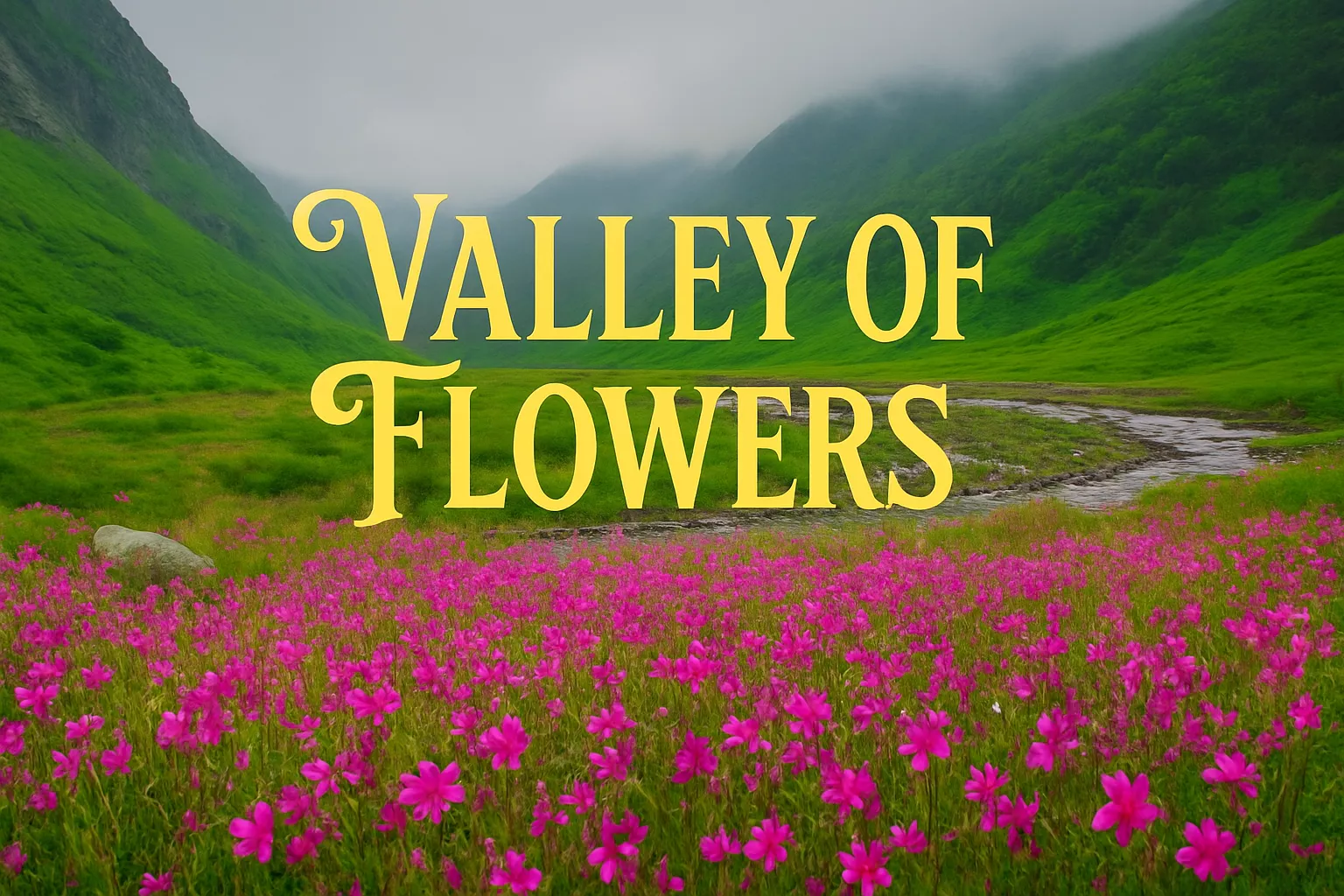
Five reasons to visit the Valley of Flowers

Five reasons to visit the Valley of Flowers

The Valley of Flowers reveals one of nature’s most spectacular shows in the mountains of India. Colorful blossoms cover the entire landscape every year, and visitors experience something magical when they walk through these magnificent fields. Different flowers carry special meanings and tell their own unique stories. When you visit this valley, you discover what flowers really communicate through their colors and shapes.

Spiritual and Natural Beauty

You cannot help but feel peaceful when you enter the Valley of Flowers. The mountains wrap around this incredible place, creating a sanctuary where nature displays its finest masterpiece. Every direction you look shows endless fields bursting with vibrant colors—reds, yellows, purples, blues, and pinks dance across the hillsides.

This valley supports an enormous variety of plants and animals that live nowhere else on Earth. Walking through the valley opens your eyes to the incredible diversity that makes our planet special. The combination of towering mountains, rushing streams, and carpets of flowers creates an experience that makes your heart feel full. You stand in one spot and simply marvel at what nature creates without anyone asking it to. The beauty speaks directly to your soul, reminding you how precious and wonderful the natural world truly is.

The Trek Journey

The pathway through the Valley of Flowers measures twelve kilometers long, and it winds gently through the landscape like a ribbon. This hiking route does not demand extreme strength or mountain climbing experience from visitors. Beginners find this trek perfect because it challenges them without exhausting them.

As you walk along the trail, the magnificent Himalayan peaks tower above you constantly. These ancient mountains frame every step of your journey, making each moment feel like you are walking through a living painting. The scenery transforms around every corner—sometimes the trail passes through dense forests, sometimes it opens to reveal wildflower meadows that stretch beyond what your eyes can see. Your legs feel stronger with each step, and the cool mountain air fills your lungs. The combination of manageable difficulty and stunning views makes this trek memorable for anyone who attempts it, whether they hike regularly or rarely venture into mountains.

Photography

Cameras click constantly along this trail because the Valley of Flowers offers views that photographers simply cannot resist capturing. Every season brings different flowers into bloom, creating new color combinations and new opportunities for remarkable pictures. The horizon stretches endlessly from many vantage points, offering backgrounds that no person-made backdrop could match.

The light in these mountains creates special conditions that photographers dream about. Morning fog drifts through the valleys, creating mysterious and beautiful scenes. Golden sunlight paints the mountain peaks during sunset, turning the flowers into jewels that glow from within. Visitors without professional cameras still find themselves taking hundreds of photos because the natural beauty demands documentation. Whether you carry a fancy camera or just use your phone, you return home with images that show others why this place earned its reputation as a photographer’s dream destination.

Solo Travel and Budget-Friendly Exploration

You might think a remote mountain location would cost tremendous amounts of money to visit, but the Valley of Flowers surprises budget-conscious travelers. Located in the Uttarakhand region of northern India, this destination remains surprisingly affordable despite its magnificent natural setting.

Small towns surrounding the valley offer numerous lodges, hostels, and guesthouses at reasonable prices. Visitors find comfortable places to sleep and warm meals without spending all their money. The greatest advantage? Nature charges zero admission to explore. You walk through endless fields of flowers, breathe mountain air, rest under sunny skies, and experience genuine adventure without paying entrance fees. Solo travelers discover that they can spend several days here without breaking their budget. Families can also afford these vacations, meaning more people get to experience this natural wonder. The affordability makes the Valley of Flowers accessible to young people saving from summer jobs, students on tight budgets, and families with modest resources.

Clean Air and Perfect Weather

The Valley of Flowers sits in a protected area where vehicles cannot travel. No roads wind through these mountains, which means no cars, trucks, or motorcycles create smoke and fumes. This absence of vehicles transforms the air quality dramatically. When you breathe in the valley, you fill your lungs with pure, clean mountain air that rejuvenates your entire body.

The weather in this region provides relief that visitors desperately need. During the scorching summers when plains regions become unbearably hot, the valley stays cool and comfortable. Temperatures drop significantly as you climb into the mountains, offering a refreshing escape that feels like nature’s own cooling system. The pleasant climate means the trek does not exhaust your body the way hot-weather hiking does. You can walk longer distances without becoming exhausted because your body does not lose energy fighting excessive heat.

Visitors frequently find themselves wanting to extend their stays once they arrive. The combination of perfect temperatures, clean air, and natural surroundings creates conditions where stress melts away. Many travelers originally planning three-day visits find themselves arranging extra time because they never want to leave. The weather cooperates perfectly with the wildflowers, creating a harmonious environment where every element contributes to an unforgettable experience.

Plan Your Valley of Flowers Adventure

The Valley of Flowers awaits your visit with open petals and welcoming trails. Whether you seek spiritual renewal, photographic opportunities, budget-friendly adventures, or simply pure nature, this destination delivers on every promise. Pack comfortable hiking shoes, bring your camera, and prepare for an experience that transforms how you see the natural world. Young adventurers and experienced travelers alike discover that five days in this flower-filled valley create memories lasting a lifetime.

After experiencing the Valley of Flowers, many visitors explore other Himalayan treasures. Consider combining your flower valley trek with a Char Dham pilgrimage journey (https://www.shrineyatra.in/char-dham-packages) to deepen your spiritual connection with the mountains. Both destinations offer unique perspectives on nature’s magnificence and spiritual renewal.

12 Jyotirlinga of Lord Shiva: Sacred Temples Across India

12 Jyotirlinga of Lord Shiva

Lord Shiva, also known as Mahadev, has a special place in the hearts of people who practice Hinduism. When we look at the three most important gods—Brahma, Vishnu, and Shiva—we find that Shiva brings fresh beginnings and transforms the world. People express their love for Shiva through many different forms. Nataraja shows us how Shiva dances, creating life’s rhythm. Bhole Baba reveals Shiva’s gentle and approachable nature. Ardhanarishwar demonstrates how Shiva and his wife Parvati balance each other perfectly.

Shiva carries symbols that hold deep meaning. His Trishul (three-pointed spear) represents creation and shields people from harm. The damru (drum) produces rhythms that keep life moving forward. His third eye gives him endless wisdom and knowledge. The Ganges River flows from his hair, washing away everyone’s troubles. The crescent moon adorning his head reminds us of time passing. His blue neck shows how he drank poison to save the world. For millions of followers, Shiva becomes more than just a god. He stands as a trusted friend, a wise guide, and a source of peace. People travel to the 12 Jyotirlinga temples across India to express their deepest respect for Lord Shiva.

What Are Jyotirlingas?

Twelve Jyotirlingas exist throughout India, and they represent the most sacred temples devoted to Lord Shiva. Each temple houses a lingam—a glowing symbol of Shiva’s power and light that shines brilliantly. These lingams appeared by themselves, without any human hands creating them, which makes these temples incredibly holy and powerful.

Every Jyotirlinga possesses its own unique story connected to faith and devotion. People believe that visiting all 12 Jyotirlingas brings peace to their souls and clears away their mistakes. These sacred visits also provide strength to face difficult times ahead. Many people dream of visiting all 12 Jyotirlingas, and they carry this wish in their hearts their whole lives. Even visiting just one temple fills people with Shiva’s presence. For devotees, these 12 Jyotirlinga temples represent something far greater than buildings made of stone. They show that Shiva’s energy spreads across the entire country, touching every region and blessing all people.

Here is the list of 12 Jyotirlingas with their places:

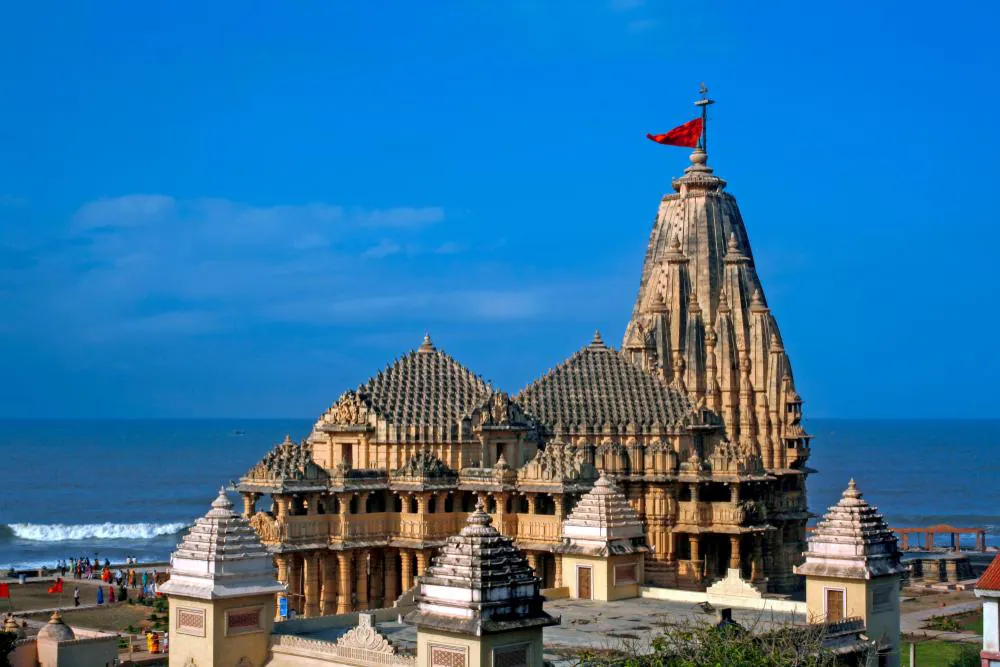
1. Somnath Jyotirlinga

People recognize Somnath as an ancient and powerful temple honoring Lord Shiva. The list of 12 Jyotirlingas includes this temple. Visitors find the temple standing near the vast Arabian Sea in Gujarat. The ocean waves create peaceful sounds that fill the air with calm energy. Ancient stories tell how Shiva saved the moon god here. Many legends connect this sacred place to incredible miracles of faith. The temple faced destruction many times throughout history, but devoted followers always rebuilt it with love and determination. When visitors arrive, they experience three wonderful things: they see the ancient temple, they hear the soothing ocean waves, and they feel Shiva’s presence very close to their hearts.

Location: Prabhas Kshetra, near Veraval, Gujarat

How to Reach:

  • By Road: 82 km from Junagadh, 400 km from Ahmedabad
  • By Train: Somnath station. Very near, 2–3 km. Easy to walk
  • By Air: Porbandar Airport 120 km, Rajkot Airport 200 km

Best Time to Visit: October to February

Nearby Attractions: Gita Mandir, Triveni Sangam, Gir National Park, Diu Island

2. Mallikarjuna Jyotirlinga

The Mallikarjuna temple rises up in Andhra Pradesh, standing among the 12 most sacred Jyotirlinga sites. Thick forests cover the hills surrounding this temple, and soft breezes carry the songs of beautiful birds all around. Believers say that Shiva blessed King Bhrigu in this exact place. The goddess Bhramaramba receives worship here as well, sharing this sacred space. Visitors who pray at this temple discover their worries disappearing, replaced by deep inner peace. The temple’s atmosphere makes people feel like faith itself lives and breathes among the trees and hills.

Location: Srisailam, Andhra Pradesh

How to Reach:

  • By Road: From Hyderabad, good roads. Buses, taxis
  • By Train: Nallamala station is nearest. Taxi from there
  • By Air: Hyderabad airport is closest. About 220 km. Taxi or bus needed

Best Time to Visit: October to March

Nearby Attractions: Srisailam Dam, Akka Mahadevi Caves, viewpoints in hills

3. Mahakaleshwar Jyotirlinga

Mahakaleshwar stands tall in the busy city of Ujjain, Madhya Pradesh, as one of the 12 sacred Jyotirlinga temples. The temple sits surrounded by crowds of worshippers, ringing bells, and sweet incense smoke. People come here believing that prayers destroy their fears and wash away their sins completely. The morning ceremony called Bhasma Aarti touches visitors’ hearts deeply. As you stand inside this temple, you feel centuries of devotion, and you sense Lord Shiva’s powerful presence all around you.

Location: Ujjain, Madhya Pradesh

How to Reach:

  • By Road: Ujjain is connected to major cities. Buses and taxis easy
  • By Train: Ujjain station is very near. Short walk or rickshaw
  • By Air: Indore airport is nearest. About 55 km. Taxi or bus needed

Best Time to Visit: October to March

Nearby Attractions: Kal Bhairav Temple, Harsiddhi Temple, Ram Ghat

4. Omkareshwar Jyotirlinga

Omkareshwar ranks among the 12 Jyotirlinga temples, and it sits on an island within the Narmada River in Madhya Pradesh. The island naturally forms the shape of “Om,” the most sacred sound in Hinduism, which makes this place especially meaningful. Visitors come to this temple to pray together, chant mantras, and light lamps. The old temple seems alive with energy, and when you combine the river sounds, sweet incense, and spiritual chanting, you feel Shiva standing right beside you.

Location: Khandwa district, Madhya Pradesh

How to Reach:

  • By Road: Connected from Indore, good buses and taxis
  • By Train: Khandwa station is nearest, then taxi
  • By Air: Indore airport is nearest, about 77 km. Taxi or bus needed

Best Time to Visit: October to March

Nearby Attractions: Siddhanath Temple, Narmada River ghats

5. Kedarnath Jyotirlinga

Kedarnath sits high in Uttarakhand’s Himalayan mountains, making it one of the 12 Jyotirlinga temples. Snow surrounds this small temple, and towering mountains stand all around it. People believe that prayers offered here wash away all their sins completely. Devotees climb many steps or hike for hours to reach this sacred place, but they willingly make this journey because they discover incredible peace and spiritual energy when they arrive.

Location: Uttarakhand

How to Reach:

  • By Road: Roads to Gaurikund from Rishikesh or Dehradun. Bus or taxi
  • By Trek: 16 km trek from Gaurikund. You can walk or ride pony
  • By Air: Nearest airport is Dehradun. Then bus or taxi to Gaurikund

Best Time to Visit: May to June and September to October

Nearby Attractions: Bhairavnath Temple, Vasuki Tal, Gandhi Sarovar, Chorabari Glacier

6. Bhimashankar Jyotirlinga

Bhimashankar exists among the 12 Jyotirlinga temples, standing in Maharashtra surrounded by rolling hills and dense forests. Nature’s peace fills this temple completely. Devotees arrive to pray out loud, chant hymns, or place lamps in offering. The location radiates strong spiritual energy and faith everywhere you look. You can truly experience Shiva’s presence in every corner.

Location: Pune district, Maharashtra

How to Reach:

  • By Road: From Pune, good roads. Bus or taxi
  • By Train: Pune station is nearest big station, then road trip
  • By Air: Pune airport is nearest. Taxi or bus needed

Best Time to Visit: October to March

Nearby Attractions: Sinhagad Fort, Bhimashankar Wildlife Sanctuary

7. Kashi Vishwanath Jyotirlinga

Kashi Vishwanath represents one of the 12 most sacred Jyotirlinga temples, located in Varanasi, Uttar Pradesh. The city bustles with activity and noise, but this temple feels completely different. Visitors discover a calm, sacred space within the temple walls. Believers feel certain that prayers here bring peace and erase their sins forever. You can feel the weight of faith and centuries of devotion in every space of this holy temple.

Location: Varanasi, Uttar Pradesh

How to Reach:

  • By Road: Varanasi roads easy. Buses, taxis
  • By Train: Varanasi Junction close. Walk or rickshaw
  • By Air: Lal Bahadur Shastri Airport 20 km. Taxi or bus needed

Best Time to Visit: October to March

Nearby Attractions: Ganga ghats, Dashashwamedh Ghat, Manikarnika Ghat

8. Trimbakeshwar Jyotirlinga

Trimbakeshwar appears on the list of 12 Jyotirlinga temples. Nashik hosts this temple, and it overlooks the Godavari River flowing below. Hills and fresh, clean air create a peaceful environment. Devotees come to pray out loud, chant sacred words, or sit in silence enjoying the calm. The temple contains ancient power and radiates faith strongly. Everyone who visits can feel Lord Shiva’s powerful presence very clearly.

Location: Nashik, Maharashtra

How to Reach:

  • By Road: Connected from Nashik city. Bus or taxi easy
  • By Train: Nashik Road station is nearest. Taxi to temple
  • By Air: Nashik Airport small. Pune or Mumbai airports also nearby

Best Time to Visit: October to March

Nearby Attractions: Brahmagiri hills, Anjaneri hills

9. Vaidyanath Jyotirlinga

Vaidyanath stands in Deoghar, Jharkhand, as one of the 12 sacred Jyotirlinga temples. People fill the temple grounds, bells ring constantly, and incense smoke rises into the air. Believers come seeking health and strength from Lord Shiva’s blessings. Visitors bring flowers as offerings, light lamps, and chant prayers together. The energy feels strong, yet the place also carries tremendous calm. Everyone who enters this sacred space feels Lord Shiva’s presence touching their hearts. Devotion lives in every corner of this special temple.

Location: Deoghar, Jharkhand

How to Reach:

  • By Road: Good roads from nearby cities. Bus and taxis available
  • By Train: Deoghar station is nearest. Short taxi ride to temple
  • By Air: Deoghar Airport is small. Ranchi and Patna airports are nearby

Best Time to Visit: October to March

Nearby Attractions: Trikut hills, Satsang Ashram, Basukinath Temple

10. Nageshwar Jyotirlinga

Nageshwar sits by the ocean in Dwarka, representing one of the 12 Jyotirlingas. This ancient temple carries peaceful energy throughout its grounds. Believers come seeking Shiva’s protection and strength for their lives. Ocean waves create rhythmic sounds, calm breezes blow gently, and prayers float through the air. These combined forces make you feel Lord Shiva’s nearness in a powerful way.

Location: Dwarka, Gujarat

How to Reach:

  • By Road: Connected from Dwarka city. Bus or taxi easy
  • By Train: Dwarka station is nearest. Short taxi ride
  • By Air: Jamnagar airport is nearest. Then taxi or bus to temple

Best Time to Visit: October to March

Nearby Attractions: Dwarkadhish Temple, Rukmini Devi Temple, Bet Dwarka island

11. Rameshwar Jyotirlinga

Rameshwar stands as one of the 12 Jyotirlinga temples, and the sea surrounds it in Tamil Nadu. The temple combines peaceful calm with amazing spiritual strength. Devotees arrive to ask Shiva for guidance and blessings on their life journeys. Chanting voices, glowing lamps, and the ocean surrounding everything work together to help you sense Lord Shiva’s presence very clearly.

Location: Rameswaram, Tamil Nadu

How to Reach:

  • By Road: Bus or taxi from nearby towns. Roads okay
  • By Train: Rameswaram station very close. Walk or rickshaw
  • By Air: Madurai airport nearest. 170 km away. Taxi or bus to temple

Best Time to Visit: October to March

Nearby Attractions: Dhanushkodi Beach, Agni Theertham, Annai Bridge

12. Grishneshwar Jyotirlinga

Grishneshwar ranks as one of the 12 Jyotirlinga temples, standing near the famous Ellora caves. Although small, this temple holds tremendous peace within its walls. Visitors come to pray to Shiva or sit quietly in meditation. The temple’s walls tell ancient stories of faith and devotion. Spending time here fills you with a strong connection to Lord Shiva and his blessings.

Location: Ellora, Maharashtra

How to Reach:

  • By Road: Connected from Aurangabad. Bus or taxi easy
  • By Train: Aurangabad station nearest, then taxi
  • By Air: Aurangabad airport nearby. Taxi or bus needed

Best Time to Visit: October to March

Nearby Attractions: Ellora Caves, Daulatabad Fort, Ajanta Caves

Festivals and Special Rituals at Jyotirlingas

Visiting the 12 Jyotirlingas brings joy any time of the year, but when festivals arrive, something magical happens. The energy completely changes, and you can feel it in your heart.

Maha Shivratri:

  • Devotees celebrate the most important day of the year for Lord Shiva
  • Lamps and flowers decorate the temples everywhere
  • People chant throughout the entire night, sing devotional songs, and clap their hands together
  • You feel alive and connected to everyone around you, sharing the same deep faith

Shravan Month (July–August):

  • Many believers fast during this special month
  • They collect water from sacred rivers and carry it to the Jyotirlinga
  • The chant “Om Namah Shivaya” rings out constantly from many voices, creating peaceful vibrations

Daily Rituals:

  • Priests perform the morning ceremony quietly and gently, which soothes your mind
  • Priests light lamps and flowers for the evening ceremony, while devotees chant together
  • Some temples sit near rivers, and visitors take holy baths in the water, which deepens their spiritual feelings

Family and Devotee Feeling:

  • Families bring their young children and elderly grandparents together to worship
  • You see people smiling, praying with their whole hearts, and sharing simple happiness
  • When you light a lamp or place flowers at the temple, it feels deeply personal, as if your own heart joins the worship

Why It Feels Special:

  • The combined power of chanting voices, ringing bells, and glowing lamps creates unforgettable moments
  • Each of the 12 Jyotirlingas brings its own unique spiritual feeling and style
  • You leave the temple feeling calm, joyful, and filled with spiritual devotion

Even when you visit on an ordinary day, you discover peacefulness all around you. But when festivals happen, the temples seem to glow with magic. You feel yourself getting closer to Lord Shiva, and you carry these memories forever.

Conclusion

Traveling to the 12 Jyotirlingas creates a special experience that visitors remember their entire lives. Each temple holds its own sacred story and spiritual energy. You observe people worshipping with devotion, children playing with joy, and elders chanting ancient verses. The ringing bells, glowing lamps, and spiritual chanting fill you with calm and remind you that you belong to something much bigger than yourself. Some temples rest beside flowing rivers, others crown hilltops, and still others hide within forests of tall trees. Every visit leaves you carrying beautiful memories of peace, spiritual devotion, and the powerful presence of Lord Shiva in your heart.

चारधाम यात्रा 2026 कब से शुरू होगी? जान लीजिए केदारनाथ, बद्रीनाथ कपाट खुलने की सही डेट

Char Dham Yatra 2026

Char Dham Yatra 2026: हेमंत द्विवेदी, जो बद्रीनाथ केदारनाथ मंदिर समिति का नेतृत्व करते हैं, उन्होंने चारधाम यात्रा की तैयारियों के बारे में महत्वपूर्ण सूचनाएं साझा की हैं।

मंदिरों में रील और व्लॉग बनाने पर सख्त एतराज

Char Dham Yatra 2026: समिति का प्रबंधन रील और व्लॉग्स बनाने वालों को कड़ा संदेश दे दिया है। हेमंत द्विवेदी ने स्पष्ट किया कि चारधाम यात्रा आस्था और भक्ति का स्थान है, लेकिन लोग यहां आकर वीडियो और सोशल मीडिया सामग्री बनाते हैं। यह गतिविधि पूरी तरह गलत है और इसे किसी भी तरह से स्वीकार नहीं किया जा सकता है।

धार्मिक क्षेत्र में मनोरंजन का प्रवेश बंद करना होगा

समिति अध्यक्ष ने समझाया कि चारधाम यात्रा हमारे लिए विश्वास का पवित्र केंद्र है, जिसका सम्मान करना अत्यंत आवश्यक है। वे बताते हैं कि लोग वीडियो और ब्लॉग्स का उपयोग करके इस पवित्र स्थान को मनोरंजन का केंद्र बना रहे हैं। इस समस्या को देखते हुए सरकार ने बैठक करी है। इस महत्वपूर्ण मीटिंग में अधिकारियों ने ऐसी गतिविधियों को रोकने की पूरी योजना तैयार करी है। जल्द ही सरकार इस योजना को वास्तविक रूप में लागू करेगी।

दर्शकों को कठिनाई का सामना करना पड़ता है

समिति के प्रबंधक ने कहा कि बहुत सारे व्लॉगर्स पवित्र क्षेत्रों में घुसते हैं और ब्लॉग बनाते हैं। इससे सामान्य तीर्थयात्रियों को भारी परेशानी होती है। दुर्भाग्य से यह समस्या केवल चारधाम में नहीं है, बल्कि पूरे भारत के अन्य धार्मिक मंदिरों में भी यह देखने को मिलता है। इसी कारण से सरकार की यह बैठक बेहद महत्वपूर्ण है। जब ऐसी स्थिति बनती है, तो आम भक्त जनों को बहुत दिक्कतों का सामना करना पड़ता है।

चारधाम यात्रा के लिए पूरी योजना तैयार की जा चुकी है

प्रबंधक ने बताया कि चारधाम यात्रा के लिए सरकार ने पहले ही मीटिंग कर चुकी है। इस मीटिंग में अधिकारियों ने यात्रा की संपूर्ण योजना (ब्लूप्रिंट) तैयार कर दी है। शीघ्र ही सरकार इस योजना को जमीन पर लागू करेगी। इन सभी तैयारियों में कोई समझौता नहीं किया जाएगा। सरकार पूरी सावधानी के साथ इस योजना को अमल में लाएगी।

23 अप्रैल को बद्रीनाथ के मंदिर के दरवाजे खुलेंगे

हेमंत द्विवेदी ने कहा कि भगवान बद्रीनाथ के पवित्र दरवाजे 23 अप्रैल की सुबह छह बजे खुल जाएंगे। इसके अलावा महाशिवरात्रि के दिन बाबा केदार के दरवाजों को खोलने की घोषणा की जाएगी। अक्षय तृतीया (19 April 2026) का पवित्र दिन यमुनोत्री और गंगोत्री के दरवाजों को खोलेगा। समिति का प्रयास यह है कि देश और दुनिया से आने वाले सभी श्रद्धालुओं को आसान और सुविधाजनक दर्शन का अवसर दे। इन लक्ष्यों को पूरा करने के लिए सभी तैयारियां पूरी हो चुकी हैं। इन तैयारियों को सफल बनाने के लिए सभी नोडल एजेंसियां और राज्य सरकार मिलकर काम करती हैं। सभी विभागों का कार्य पूरा हो गया है।

द्विवेदी ने आगे कहा कि समिति ने केंद्रीय सुरक्षा बलों की मांग की है ताकि वे चारधाम यात्रा के दौरान तैनात रहें। इससे किसी भी प्रकार की अप्रिय घटना नहीं होगी और सभी यात्री सुरक्षित रहेंगे।

अपनी चारधाम यात्रा अभी बुक करें

2026 में चारधाम की यात्रा एक अविस्मरणीय अनुभव होगी। सभी सुरक्षा उपायों और सरकारी तैयारियों के साथ, यह सबसे अच्छा समय है अपनी यात्रा की योजना बनाने का।

हमारे विभिन्न चारधाम पैकेज विकल्प देखें:

  • 10 दिन का बजट पैकेज – सभी मंदिर शामिल
  • 6 दिन का प्रीमियम पैकेज – होटल & भोजन सहित
  • 6 दिन का लक्जरी पैकेज – व्यक्तिगत गाइड & एयरपोर्ट ट्रांसफर

आज ही बुक करें और छूट पाएं!

चार धाम यात्रा 2026 – आस्था के सफर से पहले जान लें रजिस्ट्रेशन से लेकर पूरी गाइडलाइन

Chardham Yatra Registration

लाखों भक्त अप्रैल माह की 19 तारीख को चार धाम की महान यात्रा शुरू करने वाले हैं। इस दिन को भारतीय संस्कृति में बहुत खास माना जाता है क्योंकि इसी दिन को अक्षय तृतीया पर्व मनाया जाता है। यह यात्रा हिंदू धर्म के मानने वालों के लिए जीवन भर का एक अद्भुत अनुभव बन जाती है। इस पवित्र यात्रा में लोग चार बहुत ही महत्वपूर्ण जगहों पर जाते हैं – यमुनोत्री, गंगोत्री, केदारनाथ और बद्रीनाथ। ये चारों स्थान उत्तराखंड राज्य में हिमालय पर्वत पर स्थित हैं।

रजिस्ट्रेशन क्यों जरूरी है?

जो भी व्यक्ति इस यात्रा पर जाना चाहता है, उसे पहले अपना नाम दर्ज करवाना पड़ता है। उत्तराखंड की सरकार ने एक आधुनिक निगरानी प्रणाली लागू की है जो GPS तकनीक का उपयोग करती है। यह व्यवस्था यात्रियों की सुरक्षा को मजबूत बनाती है और मंदिरों में भीड़ को नियंत्रित करने में मदद करती है। जब आप रजिस्ट्रेशन करवाते हैं, तो आपको एक विशेष कार्ड मिलता है। यह कार्ड आपको खाना खाने और रहने के लिए विशेष सुविधाएं प्राप्त करने में सहायता करता है।

यह भी पढ़ें- https://www.shrineyatra.in/char-dham-biometric-registration

पंजीकरण के तरीके

ऑनलाइन पंजीकरण

यदि आप घर बैठे अपना नाम दर्ज करना चाहते हैं, तो आप registrationandtouristcare.uk.gov.in वेबसाइट पर जा सकते हैं। इस वेबसाइट पर आप अपनी व्यक्तिगत जानकारी दर्ज करते हैं और अपना पहचान पत्र अपलोड करते हैं। फिर आप एक कोड भेजते हैं जो आपके मोबाइल पर आता है। जब आप यह कोड दर्ज कर देते हैं, तो आप अपना पंजीकरण पत्र निकाल सकते हैं।

व्हाट्सएप पंजीकरण

आजकल के जमाने में आप व्हाट्सएप से भी अपना नाम दर्ज कर सकते हैं। आपको बस 8394833833 नंबर पर “YATRA” शब्द भेजना होता है। इसके बाद यह नंबर आपसे कुछ सवाल पूछता है। जब आप इन सवालों के जवाब दे देते हैं, तो आपका रजिस्ट्रेशन पूरा हो जाता है।

टोल-फ्री नंबर पंजीकरण

जो लोग फोन कॉल के जरिए अपना नाम दर्ज करवाना पसंद करते हैं, वे 01351364 नंबर पर कॉल कर सकते हैं। इस नंबर पर एक कर्मचारी आपको पूरी प्रक्रिया में मदद देता है और आपके सारे सवालों के जवाब देता है।

ऑफलाइन पंजीकरण

अगर आप सीधे किसी कार्यालय में जाकर अपना नाम दर्ज करवाना चाहते हैं, तो आप यह कर सकते हैं। हरिद्वार, ऋषिकेश, बर्कोट, हीना, सोनप्रयाग और पांडुकेश्वर शहरों में सरकार ने विशेष कार्यालय खोल रखे हैं। आप इन कार्यालयों में जाकर अपनी जानकारी बताते हैं और वहां के कर्मचारी आपको नाम दर्ज करने में मदद देते हैं।

यात्रा के लिए विशेष दिशा-निर्देश

जब आप इस यात्रा पर निकलते हैं, तो आपको कुछ महत्वपूर्ण बातों का पालन करना चाहिए। अगर आप कार, बाइक या बस में यात्रा करते हैं, तो आपको उत्तराखंड परिवहन विभाग से एक विशेष पत्र लेना होता है। यह पत्र ग्रीन कार्ड या ट्रिप कार्ड कहलाता है। इसके अलावा, यह जगहें बहुत ऊंचाई पर हैं, इसलिए आपको अपनी सेहत की जांच करवानी चाहिए। एक डॉक्टर आपको यह बताएगा कि आप इतनी ऊंचाई पर जा सकते हैं या नहीं।

यात्रा का प्राकृतिक सौंदर्य

यह यात्रा सिर्फ धार्मिक ही नहीं है, बल्कि बहुत सुंदर भी है। जब आप इस रास्ते पर चलते हैं, तो आप हिमालय पर्वत की बर्फीली चोटियों को देखते हैं। आप पवित्र नदियों का दृश्य भी देखते हैं। प्रकृति का यह सौंदर्य आपके दिल को छू जाता है। पहाड़ों से बहने वाली नदियों की आवाज और हवा में फूलों की खुशबू आपको एक अलग दुनिया में ले जाती है।

अपनी यात्रा की योजना बनाएं

अगर आप 2026 में चार धाम यात्रा पर जाना चाहते हैं, तो आप अभी से अपनी तैयारी शुरू कर दें। अपने परिवार के साथ बैठकर सोचें कि आप कब जाना चाहते हैं। अपनी पसंद की तारीख को नोट करें। जल्दी रजिस्ट्रेशन कर देने से आपको अपनी पसंद की सुविधाएं मिल जाती हैं। इसलिए देरी न करते हुए आज ही अपना नाम दर्ज करवा दें।

Book here package: https://www.shrineyatra.in/chardham-yatra-with-family-package

चारधाम यात्रा 2026 में हेलीकॉप्टर नियमों में क्या बदलाव हुए? DGCA के नए सख्त निर्देश जानें

Chardham Yatra by Helicopter

भारत के उत्तराखंड राज्य में आने वाले 19 अप्रैल 2026 माह से शुरू होगी चारधाम की यात्रा। इस बार की यात्रा को और सुरक्षित बनाने के लिए नागरिक उड्डयन विभाग ने महत्वपूर्ण बदलाव किए हैं। सबसे बड़ा बदलाव यह है कि अब सूरज निकलने के पहले और सूरज डूबने के बाद कोई भी हेलीकॉप्टर आसमान में नहीं उड़ सकता।

भारत के सबसे पवित्र तीर्थ स्थलों में चारधाम का विशेष महत्व है। हर साल बहुत बड़ी संख्या में आस्थावान लोग यमुनोत्री, गंगोत्री, केदारनाथ, बद्रीनाथ जैसे पवित्र मंदिरों के दर्शन करने जाते हैं। इनके अलावा हेमकुंड साहिब भी लाखों सिख श्रद्धालुओं को आकर्षित करता है। ज्यादातर लोग पैदल चलकर और सड़क के रास्ते से ये यात्रा पूरी करते हैं। साथ ही, एक बड़ी तादाद में यात्री हवाई सेवा का फायदा उठाते हैं। लेकिन पिछले साल कई दुर्भाग्यपूर्ण घटनाएं घटीं जिन्होंने इन हवाई सेवाओं की सुरक्षा के बारे में गंभीर सवाल उठा दिए। अब नई योजना और सख्त नियमों के साथ अगली यात्रा शुरू होगी।

साल 2025 में दुर्घटनाओं की एक दर्दनाक श्रृंखला देखी गई। कुल मिलाकर पांच बड़ी घटनाएं हुईं। केदारनाथ के इलाके और उत्तरकाशी जिले में दो बेहद गंभीर दुर्घटनाएं घटीं जिनमें कुल 13 लोग अपनी जीवन खो गए। इसके अलावा तीन अन्य हेलीकॉप्टर भी आपातकालीन परिस्थितियों में जमीन पर उतरे थे। इन सभी घटनाओं को सबक मानते हुए नागरिक उड्डयन विभाग ने तुरंत कदम उठाए। उन्होंने हेली सेवाएं रोक दीं और सभी हेलीकॉप्टर संचालकों को कठोर दिशा-निर्देश और नई कार्यप्रणाली का पालन करने का आदेश दिया।

अनुभवी पायलटों की तैनाती अनिवार्य

नई व्यवस्था में सबसे महत्वपूर्ण निर्णय यह है कि केवल ऐसे पायलट ही उड़ान भर सकेंगे जिनके पास हिमालय की ऊंची पहाड़ियों में उड़ान का गहन प्रशिक्षण और लंबा कार्य अनुभव हो। सूर्यास्त और सूर्योदय के समय उड़ान पूरी तरह प्रतिबंधित है। यह कदम इसलिए जरूरी था क्योंकि केदारनाथ वाले इलाके की भौगोलिक परिस्थितियां बेहद जटिल हैं और यहां मौसम अचानक बदल सकता है। विशेषज्ञों की सिफारिश के अनुसार केदारनाथ घाटी की उड़ानों में 30 फीसदी की कटौती की गई है। सुरक्षा व्यवस्था को और मजबूत करने के लिए देहरादून शहर के पास स्थित सहस्रधारा और सिरसी नामक हेलीपैड पर अत्यधुनिक हवाई यातायात नियंत्रण कक्ष और मौसम विज्ञान की विशेषज्ञ टीमें तैनात की गई हैं।

शटल और चार्टर सेवाओं में भी 30 प्रतिशत की कमी

निगरानी और सुरक्षा को और बेहतर बनाने के लिए केदारनाथ घाटी के तीनों महत्वपूर्ण स्थानों लिनचोली, भीमबली तथा गौरीकुंड पर भूमि पर निरीक्षण और निगरानी के लिए कर्मचारी तैनात किए गए हैं। अत्याधुनिक प्रযुक्ति का उपयोग करते हुए सहस्रधारा, गुप्तकाशी, सिरसी और फाटा जैसे मुख्य हेलीपैड्स पर 30 से ज्यादा शक्तिशाली निगरानी कैमरे लगाए गए हैं जो पैन, टिल्ट और जूम कर सकते हैं।

केदारघाटी में जो शटल (नियमित) और चार्टर (किराए की) हेलीकॉप्टर सेवाएं दी जाती हैं उनमें भी 30 फीसदी की कमी लाई गई है। इससे आसमान में यातायात को नियंत्रित रखा जा सकेगा और सुरक्षा बढ़ेगी। उत्तराखंड सरकार की नागरिक विमान विकास संस्था अब इन नए मानदंडों और सुरक्षा दिशा-निर्देशों के आधार पर आने वाले सीजन के लिए ठेकेदारों का चयन कर रही है। इस पूरी कवायद का मूल लक्ष्य यह सुनिश्चित करना है कि हर यात्री सुरक्षित रहे, सब कुछ व्यवस्थित हो और सेवाएं सर्वोच्च गुणवत्ता की हों।

Book here package: https://www.shrineyatra.in/chardham-yatra-by-helicopter

How New Temple Entry Rules for Non-Hindus Will Affect Char Dham Travel in 2026

Chardham Yatra Package from Rishikesh

The Char Dham stands as one of India’s most sacred pilgrimage sites. The word “Char Dham” means four holy places in the Hindi language. These four important temples sit in the beautiful Himalayan mountains of Uttarakhand state. Millions of visitors travel to these temples every year to pray and experience the spiritual energy of these ancient places.

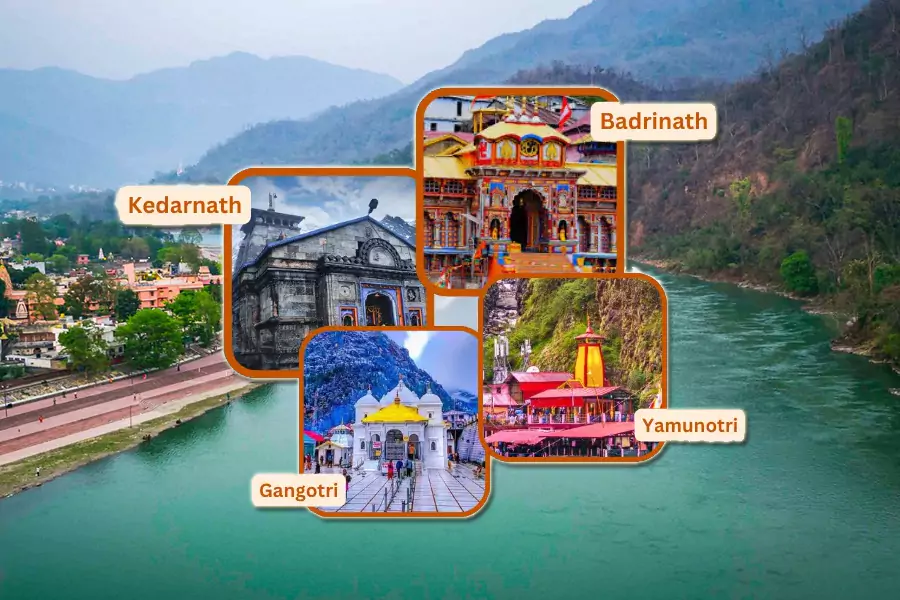
The four temples that make up the Char Dham are Badrinath, Kedarnath, Gangotri, and Yamunotri. Each temple holds special religious significance for followers of the Hindu faith. Badrinath Temple houses a famous statue of Lord Vishnu and attracts massive crowds. Kedarnath Temple stands at a high altitude and draws devoted pilgrims who climb steep mountain paths. Gangotri Temple marks the source of the sacred Ganga River. Yamunotri Temple sits near the origin of the Yamuna River.

Visitors from different religions and countries have journeyed to these temples for centuries. People travel there to appreciate the natural beauty, understand the culture, and feel connected to something greater than themselves. Families and spiritual seekers make the difficult mountain trek to reach these special places.

The New Rules Taking Effect

The group that manages the Badrinath and Kedarnath temples recently made a big announcement. The Badrinath-Kedarnath Temple Committee (BKTC) decided to change the entry rules starting in 2026. These leaders declared that visitors who follow religions other than Hinduism will no longer be able to enter these two temples.

Hemant Dwivedi, who leads the temple committee, confirmed this important decision. He explained that only people who practice the Hindu faith will receive permission to visit the Badrinath and Kedarnath temples in the future. The committee plans to vote on this proposal at their next board meeting to make it official.

This new rule will affect millions of travelers and visitors around the world. The temples will also check visitors more carefully at the entrance gates to make sure only Hindu pilgrims can pass through. Guards and staff members will ask visitors about their religious beliefs before allowing them inside.

When These Rules Begin

The temples close during winter months because of heavy snow and extreme cold in the mountains. The Badrinath Temple will reopen its doors on April 23, 2026, after staying closed for six months. Kedarnath Temple will announce its reopening date during the Maha Shivratri festival celebration. Gangotri and Yamunotri temples plan to open on April 19, 2026, which falls on the festival of Akshaya Tritiya.

These reopening dates mark when the new entry rules will officially start. Travelers who want to visit these temples must plan their trips carefully. Families that include members of different faiths will need to think about how this change affects their travel plans.

How This Affects Different Travelers

Millions of people who follow other religions will not be able to visit these temples anymore. Hindu families will still enjoy full access to all four temples. Visitors from foreign countries who don’t practice Hinduism will need to find other sacred sites to explore instead.

Tour companies that arrange trips to the Char Dham will face challenges. Many tourism businesses have guided people from all religions to these temples for many years. These companies will need to change their business plans and focus only on Hindu travelers.

The Indian government faces difficult questions about how to enforce these new rules. Officials must think about how this change affects India’s image around the world. Many countries welcome visitors of all religions to their most important places. This new rule represents a different approach that some people support and others question.

Families with members of different religions will experience disappointment and sadness. Grandparents who follow Hinduism won’t be able to share this experience with grandchildren who practice other faiths. Friends from different religious backgrounds can no longer journey together on this spiritual adventure.

Reactions from Different Groups

Religious leaders, politicians, and community members have shared mixed reactions to this announcement. Some people who follow Hinduism believe this rule honors and protects these ancient temples. They feel that limiting entry to practicing Hindus preserves the spiritual purity of these sacred spaces.

Other leaders have criticized this decision strongly. Political figures have called the rule “completely wrong” and said it goes against the values written in India’s Constitution. These critics argue that temples should welcome people of all faiths who come with respect in their hearts.

The debate raises important questions about religious freedom and inclusion. People discuss whether temples should belong to everyone or only to specific groups. This discussion happens across India and impacts how people think about religion, respect, and sharing sacred spaces.

Tourism and Travel Impact

The tourism industry in Uttarakhand will experience significant changes because of this new rule. Thousands of tour guides, hotel workers, and restaurant staff depend on pilgrims and visitors from all religions. These workers may find fewer job opportunities when visitor numbers drop.

Smaller towns near the temples rely heavily on money that visitors spend at hotels, shops, and restaurants. These communities might struggle economically if fewer people visit the area. Local businesses that depend on tourism will need to adapt and find new customers.

Travel companies that organize trips to the Char Dham must change their advertising and booking systems. Many websites currently show photos of people from different religions visiting these temples together. These companies must update their information and explain the new rules to customers around the world.

Countries that receive Indian tourists may wonder if their temples will also receive restrictions. International visitors sometimes feel hurt when they cannot access sites in other nations. This situation might make future travel between countries more complicated.

Planning Your Visits Wisely

Families should think carefully about whether they want to visit the Char Dham before or after these rules take effect. People who follow religions other than Hinduism may want to plan trips before April 2026. Those who follow Hinduism can visit anytime, but the temples will be busier during the opening months.

Hindu families should book trips early because many pilgrims will want to visit during the first season. Hotels and tour guides may run out of space quickly. Travelers should arrange transportation and accommodations several months ahead of their journey.

Visitors who don’t follow the Hindu faith should research other spiritual and cultural destinations in India. Many temples, mosques, churches, and gurudwaras welcome visitors of all religions throughout the country. Other mountains, rivers, and historical sites offer beautiful experiences for spiritual seekers.

Families with members of different religions might consider visiting other Himalayan temples or spiritual centers. India has thousands of holy places that people of all faiths can visit together. These trips can be just as meaningful and memorable as visiting the Char Dham.

Questions People Ask

Many travelers and families have questions about these new rules. People want to know exactly when the rules start and how officials will enforce them. Families ask whether young children will receive the same restrictions as adults.

Travel companies wonder whether they can appeal or challenge this decision. Some tourism workers question whether the government will support the temples financially if fewer visitors arrive. Community leaders discuss whether this rule makes sense for protecting these historic places.

Everyone wonders how this situation will develop in the future. Will other temples in India adopt similar rules? Will the government step in to change or confirm this decision? Will the rules remain in place for many years, or will leaders reconsider this approach?

These big questions affect families, businesses, and communities. People must stay informed about updates and changes to these travel rules.

Moving Forward

The Char Dham temples have welcomed visitors for centuries. These sacred places have inspired millions of people through their beauty, history, and spiritual power. The new entry rules represent an important change in how people access these temples.

Communities in Uttarakhand will adjust to this change and find new ways to welcome visitors. Tourism businesses will develop strategies to serve Hindu travelers and families. People of all religions will think deeply about what these rules mean for their country and their faith.

Travelers should plan their visits carefully and respect the decisions that temple leaders have made. Whether people support or question these new rules, everyone can appreciate the importance of these ancient temples in Indian culture and religion.

The future of travel to the Char Dham is changing. Visitors must understand these new guidelines and adjust their plans accordingly. This situation reminds everyone that rules and access to important places can change, and travelers must always stay informed and prepared.

Book here package: https://www.shrineyatra.in/chardham-yatra-package-from-haridwar

BREAKING: 2026 बदरीनाथ कपाट ओपन टाइम फाइनल!

Badrinath Temple

देहरादून – बदरीनाथ धाम के कपाट गुरुवार, 23 अप्रैल 2026 को सुबह 6:15 बजे दर्शन के लिए खुलने वाले हैं। यह पवित्र हिंदू तीर्थस्थल हर वर्ष सर्दियों में बंद रहता है और गर्मियों के मौसम में श्रद्धालुओं के लिए पुनः खुलता है।

बदरीनाथ धाम भारत के चार सबसे महत्वपूर्ण धार्मिक तीर्थ स्थलों में से एक है, जो उत्तराखंड के चमोली जिले में समुद्र तल से 3,300 मीटर की ऊंचाई पर स्थित है। भगवान विष्णु को समर्पित इस मंदिर के दर्शन के लिए देश-विदेश से लाखों श्रद्धालु आते हैं।

प्रमुख बिंदु:

मंदिर के कपाट खुलने का समय: 23 अप्रैल 2026, सुबह 6:15 बजे

Read more: https://www.shrineyatra.in/badrinath-temple-opening-and-closing-dates

आने वाले महीनों में हजारों श्रद्धालुओं के आगमन की संभावना है। तीर्थयात्रियों से अनुरोध है कि वे यात्रा की सुरक्षा सुनिश्चित करने के लिए आवश्यक सावधानियां बरतें। इस मौसम में पहाड़ी इलाकों में मौसम परिवर्तनशील रहता है।

स्थानीय प्रशासन और मंदिर प्रबंधन समिति श्रद्धालुओं के लिए सभी सुविधाएं सुनिश्चित करने के लिए तैयार है। आवास, परिवहन, और चिकित्सा सेवाओं की व्यवस्था की गई है।
तीर्थयात्रियों को सलाह दी जाती है कि वे स्थानीय मौसम पूर्वानुमान की जांच करें और उचित गर्म कपड़े ले कर चलें। मंदिर तक पहुंचने के लिए पैदल यात्रा अपेक्षित है।

अधिक जानकारी के लिए आधिकारिक बदरीनाथ मंदिर के नोटिस बोर्ड और सरकारी वेबसाइट से संपर्क करें।

संपर्क जानकारी:

चमोली जिला प्रशासन
उत्तराखंड

Uttarakhand Implements Complete Ban on Mobile Phones and Cameras at Char Dham Shrines

Complete Ban on Mobile Phones and Cameras at Char Dham Shrines

Move Aims to Preserve Sanctity and Ensure Smooth Pilgrimage Experience

Dehradun, Uttarakhand – The Uttarakhand government has announced a comprehensive ban on mobile phones and cameras inside the temple complexes of the Char Dham pilgrimage effective immediately. Garhwal Commissioner Vinay Shankar Pandey chaired a review meeting with district magistrates, senior superintendents of police, and officials from concerned departments to finalize this decision.

Key Highlights:

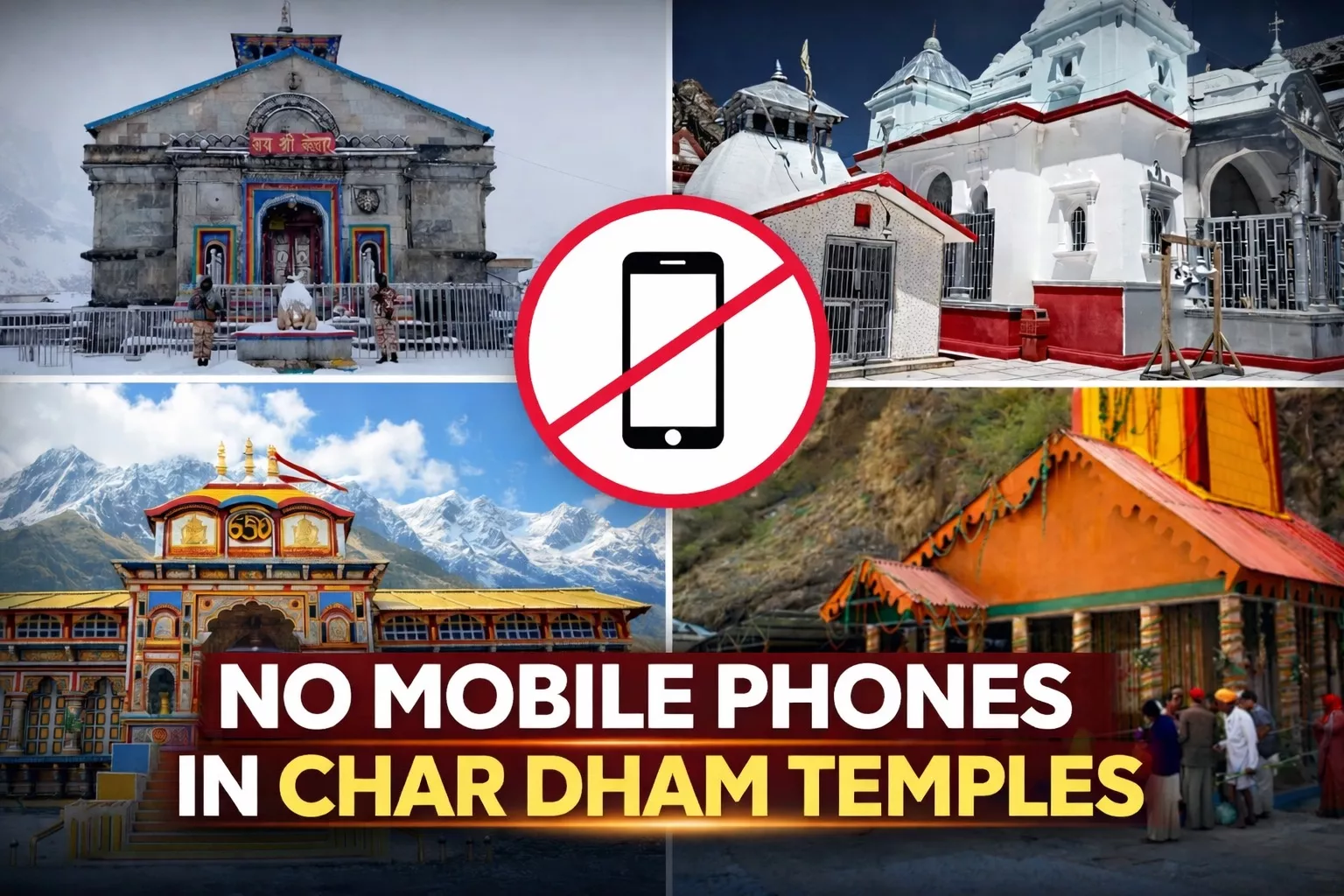
The ban applies to all four Char Dham temples – Kedarnath, Badrinath, Gangotri, and Yamunotri – and prohibits devotees from carrying mobile phones and cameras within the temple premises. The government has imposed strict restrictions within a 30-meter radius of the shrines to prevent disruptions during sacred darshan.

“Mobile phones and cameras inside the temple complexes create several problems during darshan,” Garhwal Commissioner Vinay Shankar Pandey stated. “We have decided to impose a complete ban to preserve the sanctity and discipline of this sacred pilgrimage.”

Addressing Pilgrimage Disruptions

The decision responds to growing concerns about disturbances that photography, videography, and content creation activities cause within the temple premises. These activities, particularly reel filming and livestreaming, create overcrowding, disrupt prayers, and inconvenience pilgrims seeking a peaceful spiritual experience.

Safe Storage Facilities

The Shri Badrinath-Kedarnath Temple Committee will establish secure storage facilities within the temple complexes. Pilgrims can deposit their mobile phones and cameras before entering the temple for darshan and retrieve them upon exit. Once outside the temple premises, devotees can freely capture photographs and videos with the temple structures in the background.

Managing Large Pilgrim Numbers

Over 50 lakh devotees visited the four Char Dham temples during the previous pilgrimage season. The state administration has undertaken this measure to manage the large influx while maintaining the spiritual sanctity of the pilgrimage. The Char Dham Yatra commences on 19 April 2026, with Gangotri and Yamunotri temples opening first, followed by Kedarnath on May 22 and Badrinath on May 24.

Additional Measures

The Uttarakhand government has implemented several other measures for the 2026 Char Dham Yatra, including:

  • Ten designated holding areas at key locations for essential amenities and support
  • A token system to streamline darshan at all four shrines
  • Enhanced police patrolling across 10-km sectors on the pilgrimage routes
  • Health advisories urging medical check-ups before undertaking the yatra
  • Prohibition of VIP darshan to ensure equal access and crowd management

Enforcement and Compliance

The administration will enforce strict measures to ensure compliance with the ban, and authorities will take legal action against individuals who violate the directive.

“The Char Dham Yatra represents a sacred pilgrimage that devotees undertake with devotion and discipline. Devotees must respect the sanctity of the temples,” Commissioner Pandey affirmed.

Contact Information:

Office of Garhwal Commissioner

Uttarakhand Government

Must-See Places Along the Char Dham Yatra Route in Uttarakhand

Must-See Places Along the Char Dham Yatra Route in Uttarakhand

When you plan a Chardham Yatra trip, you might want to explore other beautiful spots nearby. Your busy schedule and limited time might stop you from traveling far away. But don’t worry! You can visit many wonderful temples and natural places right on your journey to the four holy shrines. You don’t need to waste extra time or go anywhere else. Here are the major attractions you’ll discover while traveling to the holy sites in Uttarakhand:

Haridwar & Rishikesh

Har ki Pauri – Hindu mythology tells us an amazing story about this place. Long ago, a king named Bhagirath prayed hard to Lord Shiva here. He wanted to save his ancestors from being born again and again in the world. Lord Shiva felt happy with his prayers and asked the holy Ganga River to flow through his hair. Bhagirath jumped into the river and rescued his ancestors from their sins. Today, thousands of people visit Har ki Pauri every year to pray for their ancestors.

Mansa Devi Temple – You can reach this temple by riding a cable car up a hillside. Many people believe that Goddess Mansa grants the wishes of people who truly pray to her. Pilgrims tie colorful threads with their wishes to the branches of a sacred tree in the temple. When their wish comes true, they return to remove the thread from the tree.

Chandi Devi Temple – This temple stands on top of Neel Parvat, a tall mountain. You can reach it by taking a bus from Mansa Devi temple. People worship Goddess Chandika Devi here. This temple is one of the most powerful holy places, and many true believers get their wishes granted here.

Ganga Aarti – Every evening, priests perform a special prayer ceremony called Ganga Aarti on the steps near Har ki Pauri. They sing beautiful religious songs and chant prayers that fill the air with peace. Hundreds of thousands of small lamps float on the water of the Ganga River, creating a magical and beautiful sight that makes everyone feel calm and happy.

Neelkanth Mahadev Temple, Rishikesh – This temple honors Lord Shiva in a special form called Neelkanth. According to ancient stories, Lord Shiva drank poison here during a churning of the ocean. The poison made his neck turn blue, so people named him Neelkanth, which means “blue throat.”

Trimbakeshwar Temple, Rishikesh – This popular temple in Rishikesh is a tall building with thirteen floors. Each floor has a shrine with a different form of Lord Shiva. You can cross the famous Laxman Jhula bridge to reach this temple. Many pilgrims visit every single day.

Triveni Ghat, Rishikesh – Three holy rivers meet at this special spot: the Ganga, Yamuna, and Saraswati. People believe that taking a bath where these three rivers join can wash away all their sins. The best part is watching the evening ceremony called Maha Aarti, where the smell of incense fills the air with holiness and mystery.

On The Way to Yamunotri

Kempty Falls, Mussoorie – On your way to Yamunotri, you can stop at these amazing waterfalls in Mussoorie. Travelers love to visit this waterfall because it makes the perfect picnic place. You can jump into cool, fresh water and feel refreshed under the falling water. You can also enjoy boating at the nearby Mussoorie Lake.

Barkot – This small town sits about 49 kilometers from Yamunotri and serves as the base camp for visitors going to Yamunotri. Adventure lovers can enjoy many exciting trekking trips from here. The beautiful mountain views, the sacred Yamuna River, and apple orchards make visitors feel amazed and happy.

Hanuman Chatti – Two rivers, the Yamuna and Hanuman Ganga, meet at this peaceful spot. The beautiful surroundings make it a wonderful place to enjoy nature. This calm location sits 13 kilometers from Yamunotri and appears on the trekking path to Dodital and Darwa Top.

Janki Chatti – This important stop on the Yamunotri Route is where visitors can ride in chairs carried by people or ride ponies to reach Yamunotri. This spot has hot springs with warm water that comes naturally from the ground. It marks the last village in this mountain area.

Saptrishi Kund – This beautiful lake sits 10 kilometers from Yamunotri with clear blue water and snowy banks. According to ancient Hindu stories, seven great wise men named Atri, Kashyapa, Vasistha, Bharadwaj, Gautama, Visvamitra, and Jamadagni performed prayers here for many years long ago.

Surya Kund – This hot spring near Yamunotri Shrine is the most important thermal spring in the area. The water temperature reaches about 88 degrees Celsius, which is very hot! Snow-covered mountains surround this amazing spring. Something special happens here: you can actually cook rice and potatoes in the hot water and take them home as a holy gift.

Divya Shila – A tall rock pillar stands near Surya Kund. Visitors pray at this rock before entering Yamunotri Shrine. The journey across this rock feels tiring, but it gives pilgrims a wonderful feeling of peace and calm in their hearts.

Kharsali – Just one kilometer from Janki Chatti sits this small town with the oldest Shani Dev Temple. Many followers of Lord Shani worship at this temple and then continue to Yamunotri. During winter months when Yamunotri Temple closes, people bring the statue of Goddess Yamuna to this temple. Pilgrims pray to this statue for six months until the main temple opens again.

On The Way to Uttarkashi

An ancient holy city stands on the banks of the Bhagirathi River. Uttarkashi has many beautiful temples and prayer centers. People traveling to Gangotri often spend a day here to ask blessings from the gods. Here you’ll find important religious spots in Uttarkashi.

Vishwanath Temple – This temple is the oldest and most sacred place that honors Lord Shiva. Old stories tell us that Lord Shiva appeared here to save a wise man named Rishi Markandeya from Yama, the god of death. The temple holds a sacred stone symbol of Lord Shiva, statues of Goddess Parvati and Lord Ganesh, and shows Rishi Markandeya in prayer.

Shakti Temple – Across from Vishwanath Temple stands the Shakti Temple, which honors Goddess Durga. Visitors come here to ask Goddess Durga for blessings and to see a huge three-pointed weapon that people respect as a symbol of the goddess’s power.

On The Way to Gangotri

Gangnani (Hot water spring) – This natural hot spring sits about 46 kilometers from Gangotri. Many people who seek peace and quiet love visiting this spot. The hot water spring here is called Rishikund, and people believe you should bathe here before traveling to Gangotri.

Bhairon Ghati – This beautiful place sits 10 kilometers from Gangotri at the meeting point of the Bhagirathi River and Jat Ganga. A Bhairon Nath Temple stands here, surrounded by thick forests. You can reach this spot by crossing Jahanvi River and then walking uphill.

Harsil – This pristine and untouched gem of Uttarakhand offers amazing sights for travelers looking for peace. The flowing Bhagirathi River, fresh air, calm feelings, and singing birds all make this place special and wonderful.

The route brings you to the holy Gangotri shrine. Here you can see special treasures like the underwater Shivling, Gomukh Glacier, and Bhagirath Shila.

Submerged Shivling – Natural rock forms this holy symbol that sits underwater. Visitors find it exciting to see. During winter, the water level drops, so devotees can see the Shivling more easily. According to Hindu mythology, Lord Shiva caught the Ganga River in his hair at this exact place.

Gomukh Glacier – The Ganges River starts at this glacier. It looks like the face of a cow, which is why people call it Gomukh. People believe the trip to Gangotri stays incomplete unless visitors bathe at this glacier. Many tourists visit every year because the sight is truly amazing.

Bhagirath Shila – The great wise man Bhagirath did long prayers here to bring the Ganga River down to earth. This place holds very important meaning for Hindu people. The exact stone platform where Bhagirath sat still stands there today.

On The Way to Kedarnath

Kalimath – This famous temple has deep cultural and spiritual meaning. It honors Goddess Kali and sits very high up at 6,000 feet above ground. The holy Saraswati River flows past this temple. Interestingly, there’s no statue of Goddess Kali inside. Instead, a silver plate represents the goddess.

Guptkashi – This religiously important town sits 47 kilometers from Kedarnath on the western side of Mandakini River. Pilgrims start their journey to Kedarnath from here. The town has the holy Ardhanarishwara Temple.

Ardhanarishwara Temple – This temple honors Lord Shiva. The statue shows Lord Shiva in a special way: half of the body looks female and half looks male.

The route continues to the holiest shrine of Lord Shiva – Kedarnath. After visiting Kedarnath, pilgrims return to Guptkashi. If you have extra time during your journey, you can visit Sonprayag, Triyuginarayan, and Gaurikund on your way back to Guptkashi.

Sonprayag – This sacred spot sits 1,829 meters high on the path to Kedarnath. Two rivers, Mandakini and Basuki, come together here. This place holds huge importance in Hinduism. Believers say taking a bath in this holy water helps people reach freedom from the cycle of life.

Triyuginarayan – People think this temple is even older than Kedarnath Shrine itself. A few kilometers from Sonprayag stands this amazing temple. A special fire that people keep burning always is here. Stories say that Lord Shiva and Goddess Parvati got married around this holy fire. The prayer ceremony here attracts many visitors traveling to Kedarnath.

Gaurikund – This place means a lot to people who worship Lord Shiva. According to Hindu beliefs, Goddess Parvati, the wife of Lord Shiva, did prayers here to win Lord Shiva’s heart. Gaurikund sits at a height of 1,982 meters.

On The Way to Badrinath

Chopta – People also call this place the mini Switzerland of Garhwal. Trekkers start their journey to Tungnath from here. The big Himalayan mountains like Chaukhamba, Nanda Devi, and Trishul create beautiful views that catch everyone’s eye.

Tungnath Temple – This temple, more than 1,000 years old, honors Lord Shiva and ranks among the sacred temples of the Panch Kedar group. Old stories say that the arms of Lord Shiva fell here when the Pandava brothers chased him in the form of a bull.

Chandrashila Peak – Pilgrims can walk about 3 kilometers from Tungnath Temple to reach this peak. The path goes through oak forests and red flower plants with beautiful green grass. The incredible views of Himalayan mountains like Kedar, Chaukhamba, Trishul, and Nanda Devi from this peak absolutely take your breath away.

Gopinath Temple – This temple sits in Gopeshwar village in Chamoli district near Chopta and honors Lord Shiva. The most interesting thing about this temple is a three-pointed weapon that Lord Shiva threw at the god of love.

Mandal Valley – This beautiful valley on the route to Pipalkoti shows off nature’s gorgeous beauty. The wonderful sights make visitors feel happy and peaceful.

On your way from Pipalkoti to Badrinath, many spots attract visitors. These include Joshimath, Hanuman temple, Narshingha Temple, and Yogdhyan Badri at Pandukeshar.

Joshimath – This popular hill town is also a deeply respected pilgrimage place. People also call it Jyotrimath. Two sacred rivers named Dhauliganga and Alaknanda come together just below Joshimath.

Hanuman Mandir at Joshimath – This holy spot for Hindu believers honors Lord Hanuman. The ancient story book Ramayana mentions this temple.

Narshigha Temple of Joshimath – This temple honors Lord Vishnu and is almost 1,200 years old. Something special happens here: when winter begins, priests carry the statue of Badrinath god here in a parade. They keep the statue at Narshingha Temple for six months.

Hanuman Chatti – This place on the way to Badrinath has an ancient temple of Lord Hanuman. Old stories tell us that Lord Hanuman made the powerful warrior Bheema, the second Pandava brother, feel humble here. People who truly pray to Lord Hanuman at this temple receive all they wish for.

Yog Dhyan Badri at Pandukeshar – This holy temple stands in Pandukeshwar, where King Pandu, the father of the Pandavas, did meditation. Three statues sit inside the temple: Lord Vishnu, Madri, and Goddess Laxmi. People believe that the god Indra gave the statue of Lord Vishnu to Arjuna after Arjuna’s wonderful meditations made him happy.

The pilgrim moves forward and reaches the holy Badrinath Shrine. At Badrinath, besides the blessed statue of Badrinath, visitors can also explore other sacred and wonderful sights like Tat Kund, Brahma Kapal, Narad Kund, Bheem Pul, Vyasa Gufa, and Ganesh Gufa.

Tapt Kund – This hot spring is famous for helping people heal from sickness. People think this spring is where Lord Agni, the god of fire, lives. According to Hindu beliefs, you should jump into Tapt Kund before going to Badrinath Shrine.

Brahma Kapal – This sacred spot in Badrinath sits on the bank of Alaknanda River. The flat surface allows devotees to honor the spirits of their ancestors. It sits 100 meters north of Badrinath Shrine.

Narada Kund – This important religious spot near Tapt Kund holds special meaning. The wise saint Narada Muni wrote holy teachings called Narada Sutras at this place. A rock covers Narada Kund and blocks the water flow.

Bheem Pul – Across from Vyasa Gufa sits this enormous rock that acts as a natural path across Saraswati River. Old stories say that Bheem, one of the five Pandava brothers, threw a huge rock to make a bridge. He did this so that Draupadi could walk across easily.

Ganesh Gufa and Vyasa Gufa – Two sacred caves exist in Badrinath. The great saint Vyasa sat in Vyasa Gufa. In Ganesh Gufa, Vyasa told the story of Mahabharata to Lord Ganesha, and Ganesha wrote it down.

Mana Village – This village is the last Indian village before Tibet. It holds the Vyas Cave and Ganesh Temple. The great wise man Vyas asked Lord Ganesha to help him write the Mahabharata very quickly. Vyas Cave and Ganesh Temple connect to this amazing story.

Vasudhara Falls – You can reach these beautiful waterfalls through a 6-kilometer trek from Mana Village. The snow-covered mountains and glaciers that feed the Alaknanda River make an incredible sight at Vasudhara Falls.

Back From Badrinath to Rishikesh

Rudraprayag – Two sacred rivers, Mandakini and Alaknanda, come together at this town. It is one of five confluences of Alaknanda known as Panch Prayags. This famous town shows bright and amazing views to visitors.

Srinagar – This beautiful town sits on the banks of Alaknanda River and attracts visitors because of its ancient temples. Two of the most honored temples here are quite special.

Kamleshwar Mahadev Temple – This temple honors Lord Shiva. People believe that Lord Rama prayed to Lord Shiva here using his special power. This is why the temple received the name Kamleshwar.

Dhari Devi Temple – This temple stands on the banks of Alaknanda River. The statue of Goddess Dhari in the temple is believed to change her look during the day: she looks like a girl, then a woman, and then an old lady. The temple means a lot to local people.

Devprayag – This town also ranks among the Panch Prayags. The Bhagirathi and Alaknanda Rivers come together here. Devprayag sits on the main road between Badrinath and Rishikesh. The chief priests of Badrinath shrine live in Devprayag.

Book Now Package: https://www.shrineyatra.in/char-dham-packages